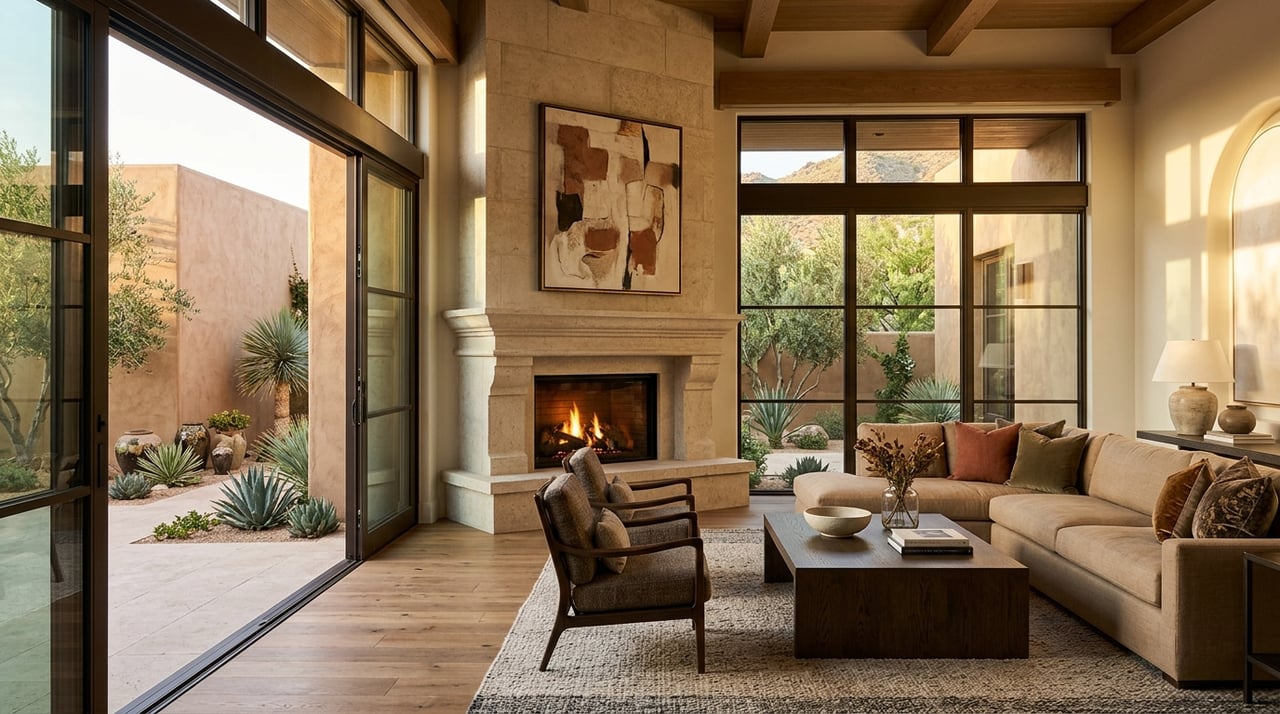
Thinking about buying in Desert Mountain? One of the biggest surprises for many buyers is that choosing the right home is only part of the decision. In this community, your village and your membership path can shape your day-to-day experience just as much as square footage, views, or price. This guide will help you understand how Desert Mountain is organized, what varies from one village to another, and how to think through club membership before you buy. Let’s dive in.
Desert Mountain Is a Village-Based Community
Desert Mountain is best understood as a master-planned private club community made up of 30+ villages, not a single uniform neighborhood. That matters because each village can feel different in terms of setting, elevation, lot size, gate design, and proximity to golf or clubhouses.
The HOA also notes that the village system was created to support security and neighborhood identity. Many villages have their own rules, bylaws, and architectural review guidelines, so the details of ownership can vary depending on where you buy.
Another important point is that all property owners are HOA members, whether or not they join the club. In other words, homeownership and club membership are connected to the same overall community, but they are not the same thing.
Why Village Choice Matters
When you compare homes in Desert Mountain, it helps to look beyond the floor plan. The location of a village can influence privacy, views, ease of access, and how close you feel to the club lifestyle you want.
The community’s building envelopes were designed to preserve at least half of each lot for native desert. That planning approach helps explain why many homes feel tucked into the landscape and more secluded than you might expect in a typical subdivision.
Desert Mountain is also a gated and guarded community with 24-hour access management and on-site security patrols. For many buyers, that level of access control is part of the appeal, but your day-to-day experience can still differ meaningfully from village to village.
The Main Home Categories in Desert Mountain
For most buyers, the easiest way to understand the villages is by product type. Official community materials group options into custom homes, villas and cottages and patio homes, future estate lots, and Seven Desert Mountain.
That structure is useful because it reflects how buyers actually shop. You are usually weighing lifestyle, maintenance level, setting, and club access, not trying to compare every village name equally.
Custom-Home Villages
Custom-home villages tend to be the most view-oriented and privacy-oriented part of Desert Mountain. Official village materials show custom-home list prices ranging from $1,199,000 to $16,500,000.
Current listings also highlight the upper end of the market in areas such as Apache Peak and Saguaro Forest. These homes are often described with language around hillside settings, privacy, and wide-reaching views.
If you are looking for a larger footprint, more dramatic topography, or a strong custom-architecture feel, this category may fit best. In many of these villages, the specific location of the lot can be just as important as the home itself.
Villas, Cottages, and Patio Homes
If you want lower-maintenance ownership, the villas, cottages, and patio-home category is often the clearest match. Official materials show list prices in this segment ranging from $800,000 to $3,700,000.
These homes are described as gated, lock-and-leave residences with convenient access to clubhouses and golf. Current listings in Apache Cottages support that positioning, including homes marketed as remodeled lock-and-leave options within walking distance of the Apache Clubhouse.
For many buyers, this category can be especially attractive if you expect seasonal use or want easier upkeep. The official materials do not label these homes as second-home properties, but the format naturally fits buyers who want convenience and flexibility.
Future Estate Lots
Desert Mountain also offers future estate lots for buyers who want to build rather than purchase a completed residence. Official materials show lot prices from $195,000 to $2,495,000.
These lots range from 0.75 acres to more than five acres and are spread across different elevations and natural settings. If you want more control over design, siting, and long-term use, this category is worth a closer look.
Before purchasing a lot, it is especially important to review village-specific architectural guidelines. Since many villages have their own review standards, those details can affect what you build and how the process unfolds.
Seven Desert Mountain
Seven Desert Mountain is the newest clearly defined enclave in the official materials. It includes lock-and-leave condominiums, villas, and custom-built homes from three builders, with official list prices ranging from $1,434,254 to $6,995,000.
One of Seven’s defining features is its walkable relationship to No. 7 and its clubhouse. If your ideal Desert Mountain experience includes easier access to golf and social amenities, that proximity can be a major advantage.
Seven also stands apart because of how membership works, which leads to one of the most important parts of your buying decision.
How Club Membership Works
A common assumption in private golf communities is that buying a home automatically gives you club access. In Desert Mountain, that is not the general rule.
Official club materials say ownership in the broader community creates the opportunity to apply for membership, but it does not guarantee approval. The club also uses a waitlist and emphasizes an exclusive membership process.
That means you should treat your home search and your membership planning as related, but separate, decisions. If club access is central to your lifestyle, you will want clarity on the membership path before you commit to a property.
The Three Membership Categories
Desert Mountain currently describes three membership categories: Full Golf, Seven Golf, and Lifestyle. The right fit depends on how you expect to use the community.
Full Golf Membership
Full Golf is the broadest golf access option. It includes access to all seven golf courses and the Jim Flick Golf Performance Center.
If golf is a major part of your routine and you want the widest possible playing access, this is the category many buyers will want to explore first. It is the strongest fit for buyers who see the club as a central part of daily life.
Seven Golf Membership
Seven Golf includes the Lifestyle offering plus golf at No. 7. For some buyers, this can be a more tailored fit than a full golf membership.
No. 7 is an 18-hole par-54 course measuring 3,114 yards, and official materials describe it as a shorter, more social golf experience for all skill levels. The average round is about 2 hours and 45 minutes, which may appeal if you want golf access without committing to longer championship rounds on a regular basis.
Lifestyle Membership
Lifestyle membership focuses on the non-golf side of the club experience. It includes dining, social events, the Sonoran fitness center, tennis, and hiking and biking trails, but it does not include golf play or practice.
This can be a strong option if you are drawn to the wellness, social, and recreational side of Desert Mountain more than the golf itself. It is also helpful for buyers who want club access aligned with a broader lifestyle rather than a golf-first routine.
What Makes the Club Lifestyle Distinct
Desert Mountain Club offers far more than golf alone. Official materials say the club includes six Jack Nicklaus Signature Championship courses plus a seventh championship short course, seven clubhouses, a 42,000-square-foot Sonoran Clubhouse with fitness, spa, and wellness amenities, nine tennis courts, eight pickleball courts, and more than 40 member-led social clubs.
All seven golf courses are private and available only to members and their guests. That private-club structure is a major reason buyers should understand membership options early in the process.
When you look at villages through that lens, your decision becomes more strategic. A secluded hillside estate and a walkable lock-and-leave residence may both be excellent homes, but they can support very different versions of the Desert Mountain lifestyle.
Questions to Ask Before You Buy
The best Desert Mountain purchase decisions usually come from matching the property to the way you plan to live. A few questions can help narrow your options quickly.
- Do you want a custom estate, a lower-maintenance lock-and-leave home, or a lot to build on?
- How important are privacy, elevation, and view corridors?
- Do you want to be closer to a clubhouse, golf, or social activity?
- Is club membership essential to your plan, or would you be comfortable applying separately and waiting if needed?
- Which membership level actually matches your expected use: Full Golf, Seven Golf, or Lifestyle?
- Does the village have architectural rules or bylaws that could affect renovations or a future build?
These questions can save time and prevent mismatches. In a community this layered, the best fit is rarely just about price.
How to Think About Village and Membership Together
A simple way to approach Desert Mountain is this: choose your village for the home and setting, and choose your membership for the lifestyle you want to lead. Those choices overlap, but they are not identical.
For example, you may prefer a custom home village for privacy and views, while also wanting a membership plan that supports active golf use. Or you may lean toward a lock-and-leave property near a clubhouse because convenience matters more than lot size.
Seven deserves special attention because it has a different membership structure from much of the broader community. Official materials state that memberships in all three categories are reserved for approved purchasers at Seven Desert Mountain, are not subject to a waitlist, and are issued only at close of escrow. The community is also deed-restricted to require Desert Mountain Club membership.
That is why it is so important to review the specific property and village context before making assumptions. In Desert Mountain, the right answer depends on exactly where and how you plan to buy.
If you want help comparing villages, home styles, and membership considerations in Desert Mountain, the Matheson Real Estate Team can guide you through the options with local insight and a tailored buying strategy.
FAQs
What is Desert Mountain in Scottsdale?
- Desert Mountain is a private club community in North Scottsdale organized as a master-planned collection of 30+ villages, with different home types, settings, and access considerations depending on the village.
Is club membership automatic when you buy in Desert Mountain?
- No. In the broader Desert Mountain community, property ownership creates the opportunity to apply for club membership, but it does not guarantee approval.
Are all Desert Mountain owners part of the HOA?
- Yes. Official HOA materials state that all property owners are HOA members whether or not they join the club.
What types of homes are available in Desert Mountain?
- Official materials group the community into custom homes, villas and cottages and patio homes, future estate lots, and the newer Seven Desert Mountain enclave.
Which Desert Mountain homes are best for lock-and-leave living?
- The villas, cottages, and patio-home category is the clearest fit for lower-maintenance, lock-and-leave ownership, based on official village materials.
What are the membership options at Desert Mountain Club?
- Desert Mountain currently offers Full Golf, Seven Golf, and Lifestyle memberships, each with a different mix of golf, dining, fitness, social, and recreational access.
What is special about Seven Desert Mountain membership?
- Official materials state that approved purchasers at Seven can access reserved membership opportunities in all three categories without a waitlist, and membership is issued at close of escrow.
Why does village choice matter in Desert Mountain?
- Village choice matters because setting, elevation, lot size, gate design, proximity to golf or clubhouses, and village-specific rules can all affect your ownership experience.