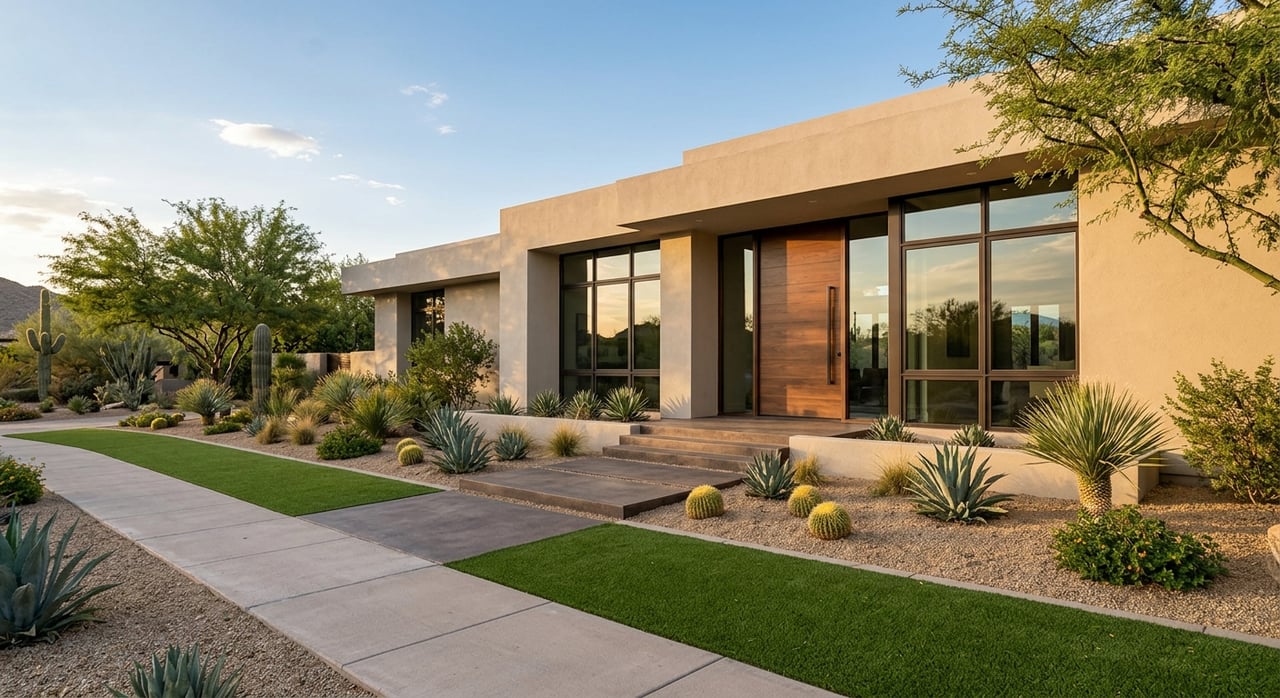
Grayhawk’s Retreat Vs. Park: How To Choose Your Fit
- 06/4/26
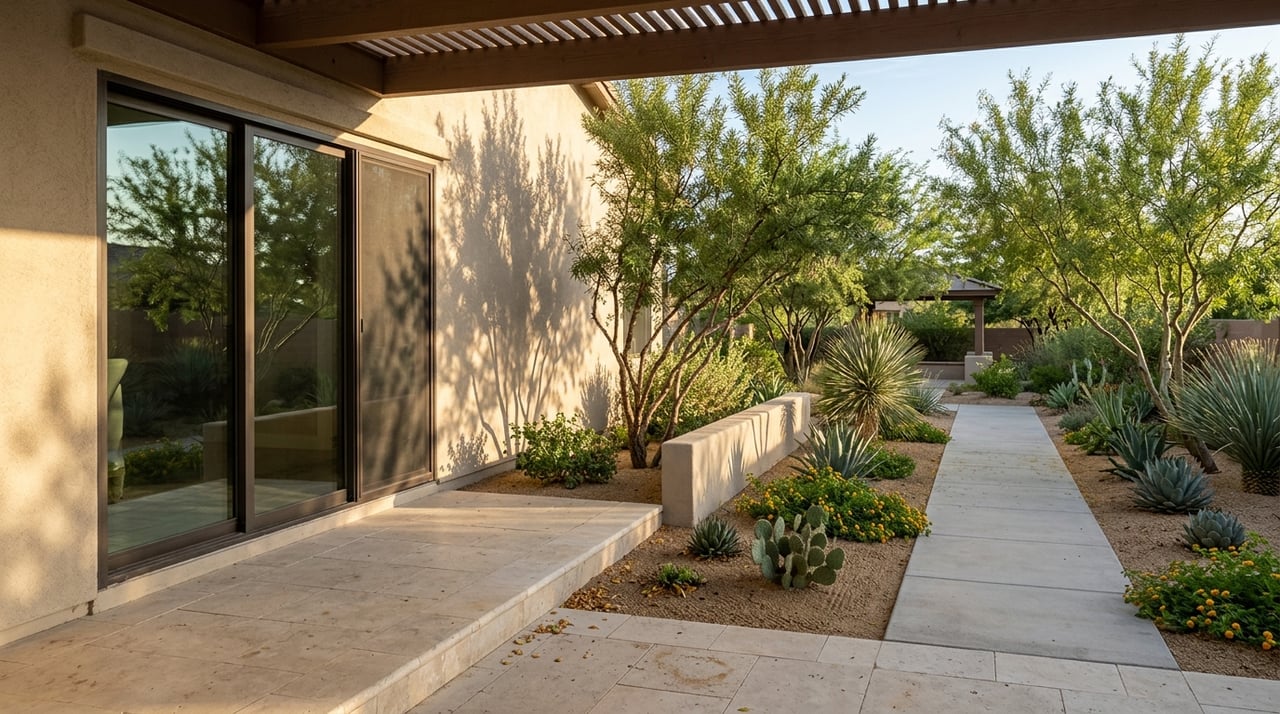
McDowell Mountain Ranch: Guide To An Active Scottsdale Community
- 05/28/26
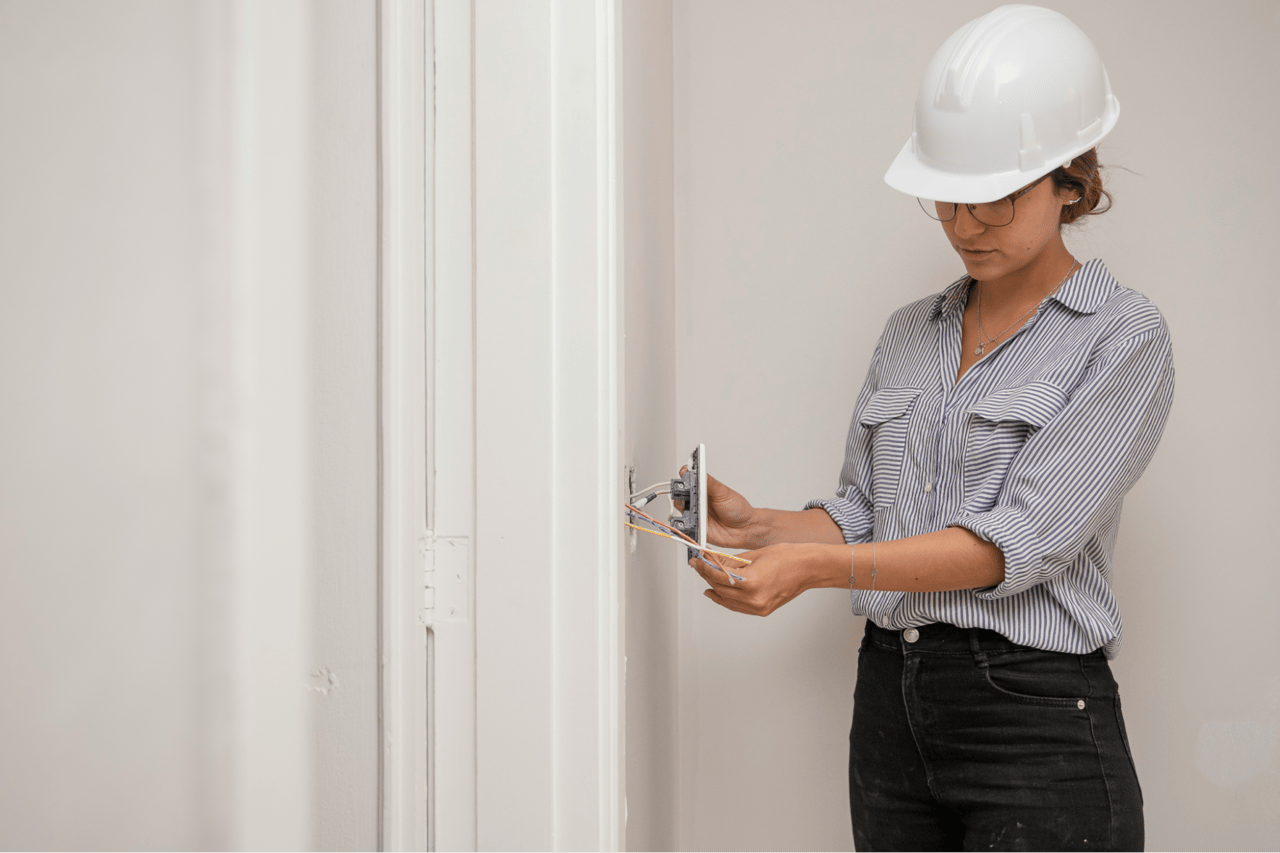
Your Guide to Getting a Home Inspection Before Buying in Scottsdale
- Matheson Real Estate Team
- 05/22/26
What Every Buyer Needs to Know About the Home Inspection Process in Scottsdale, AZ.
Read MORE
Where to Find the Best Vintage and Antique Shopping in Scottsdale
- Matheson Real Estate Team
- 05/22/26
Where in Town to Find Hidden Gems and Vintage Treasures.
Read MORE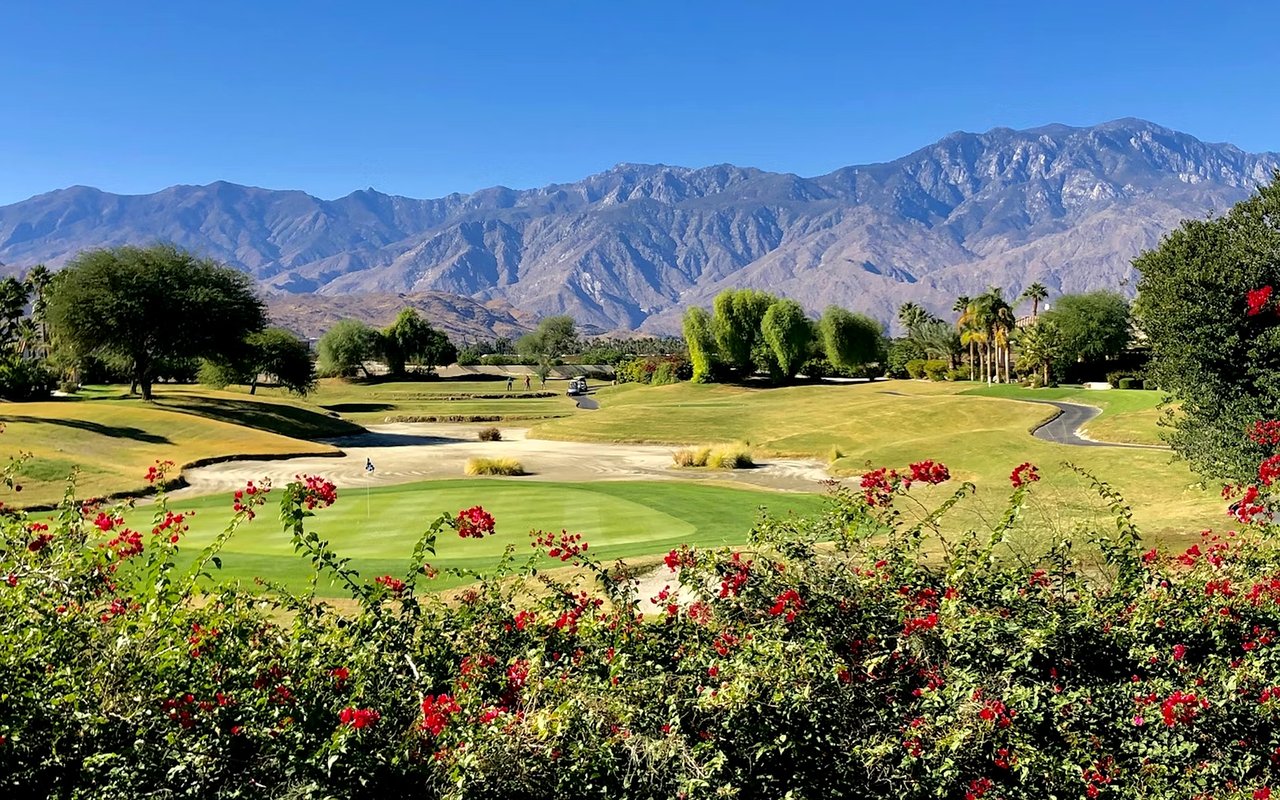
Best Golf Courses in Scottsdale
- Matheson Real Estate Team
- 05/22/26
Gems Among Scottsdale’s Many Great Courses.
Read MORE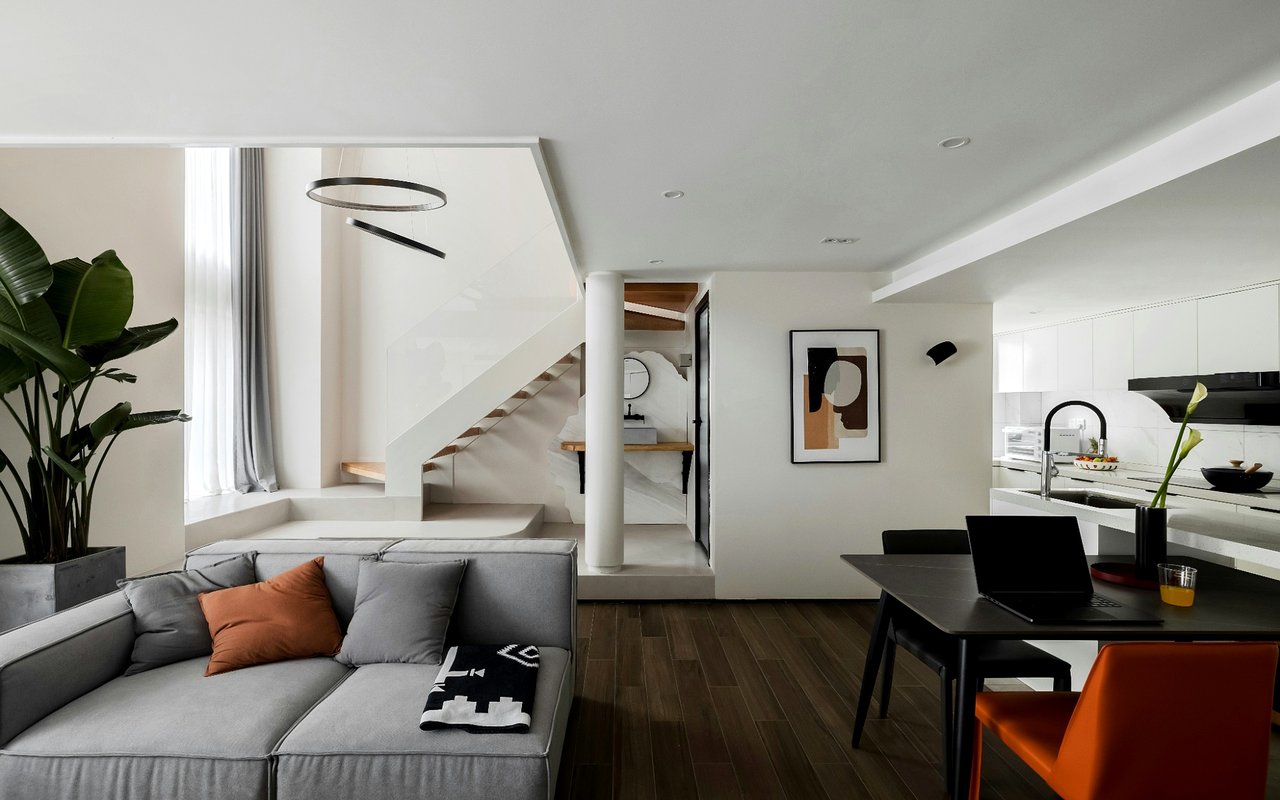
Your Guide to Buying a Home in Scottsdale
- Matheson Real Estate Team
- 05/22/26
Everything to Know Before Buying a Home in Scottsdale, AZ — From Neighborhoods to Negotiations.
Read MORE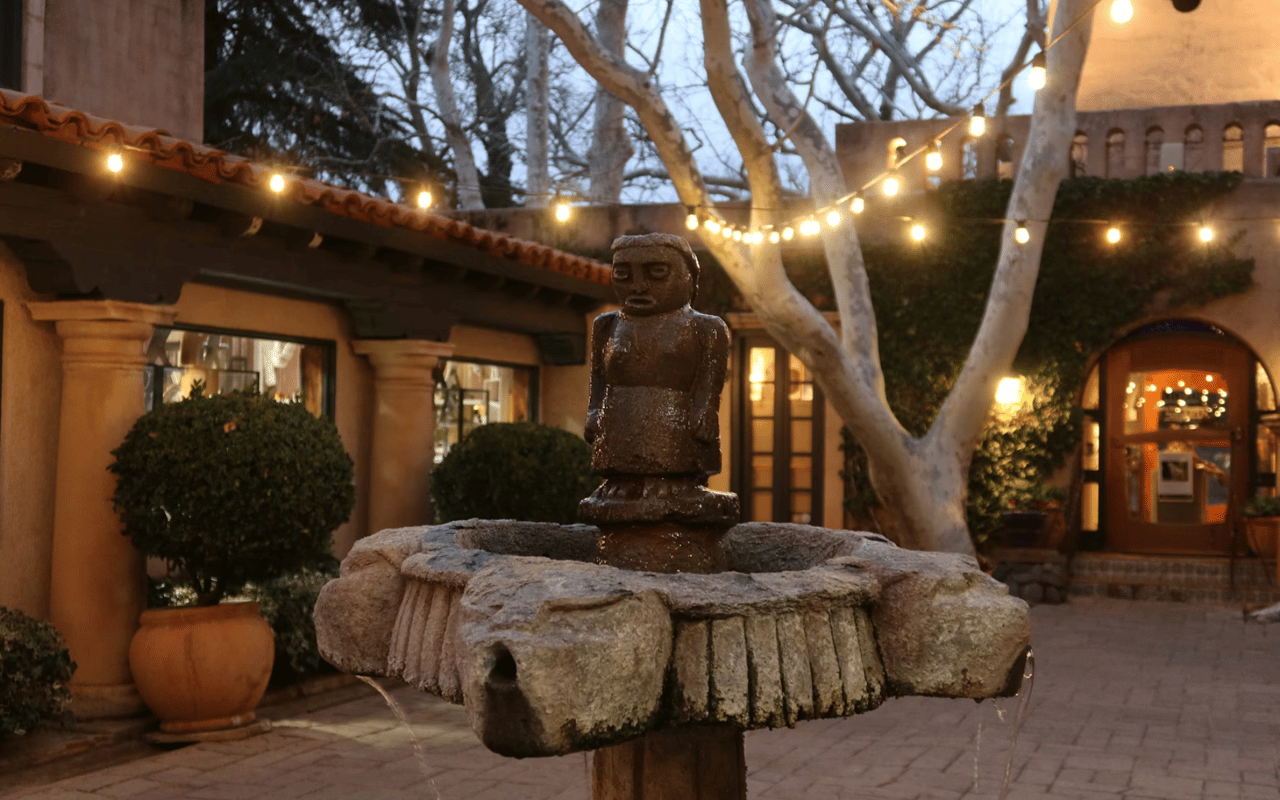
What Makes Scottsdale One of the Top Second-Home Destinations for Luxury Buyers
- Matheson Real Estate Team
- 05/22/26
Why Luxury Second Homes Are Popular in Scottsdale.
Read MORE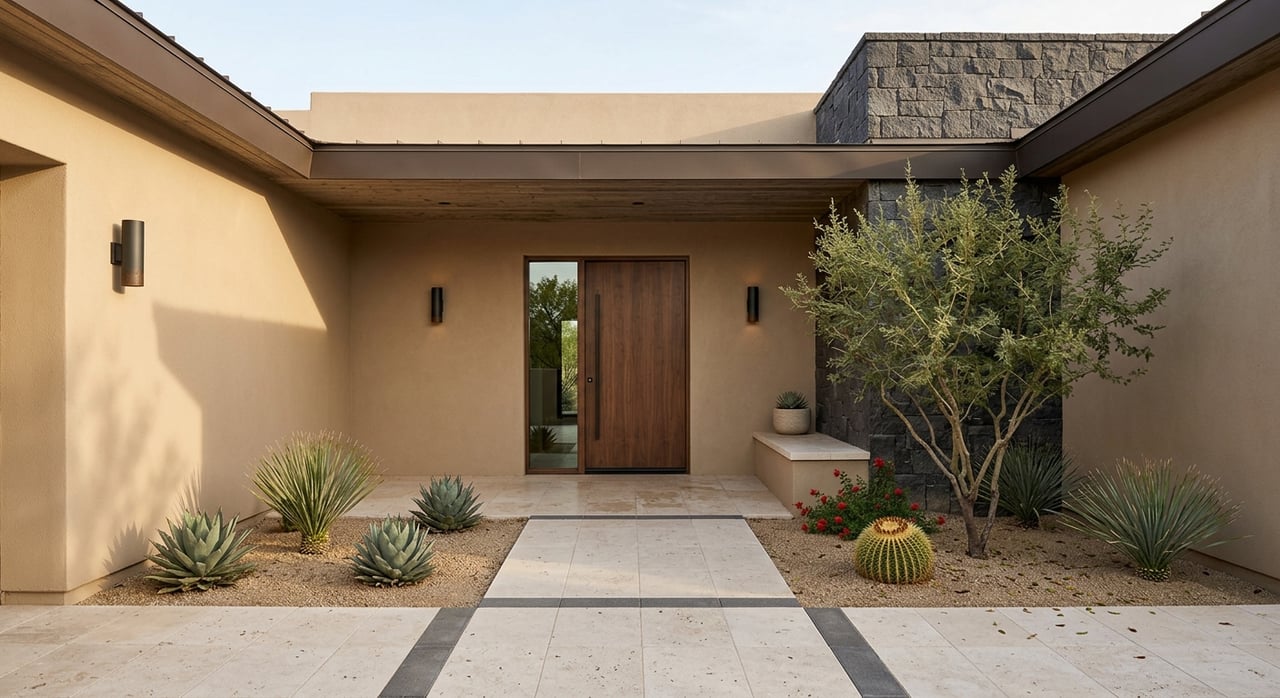
Buying In Pinnacle Peak: Comparing Neighborhood Options
- 05/21/26
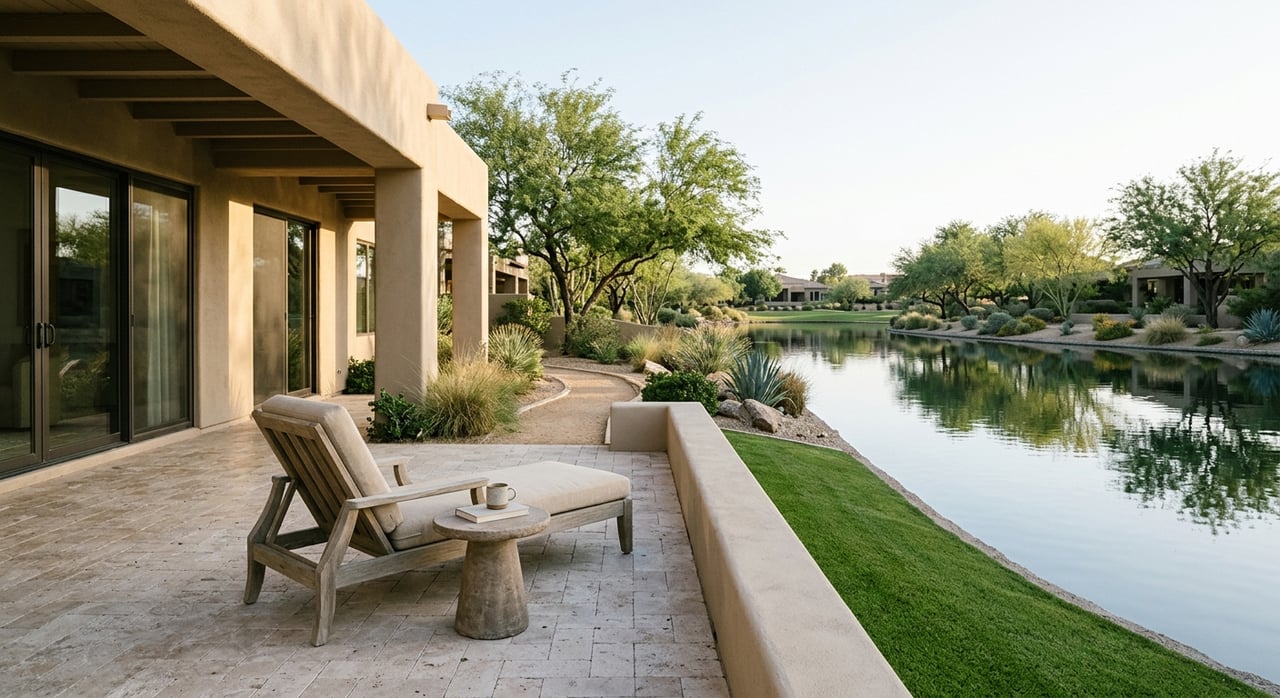
Life On The Water In McCormick Ranch
- 05/14/26
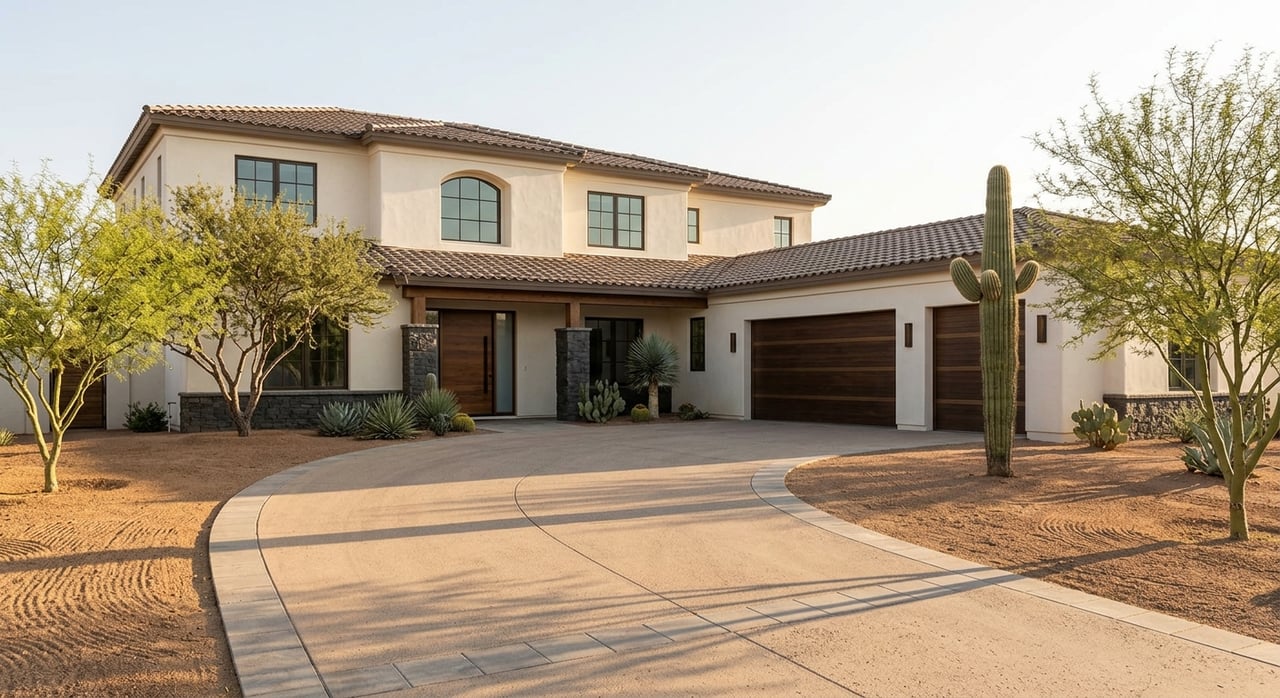
Choosing A Home In Desert Highlands: Villas Vs. Estates
- 05/7/26
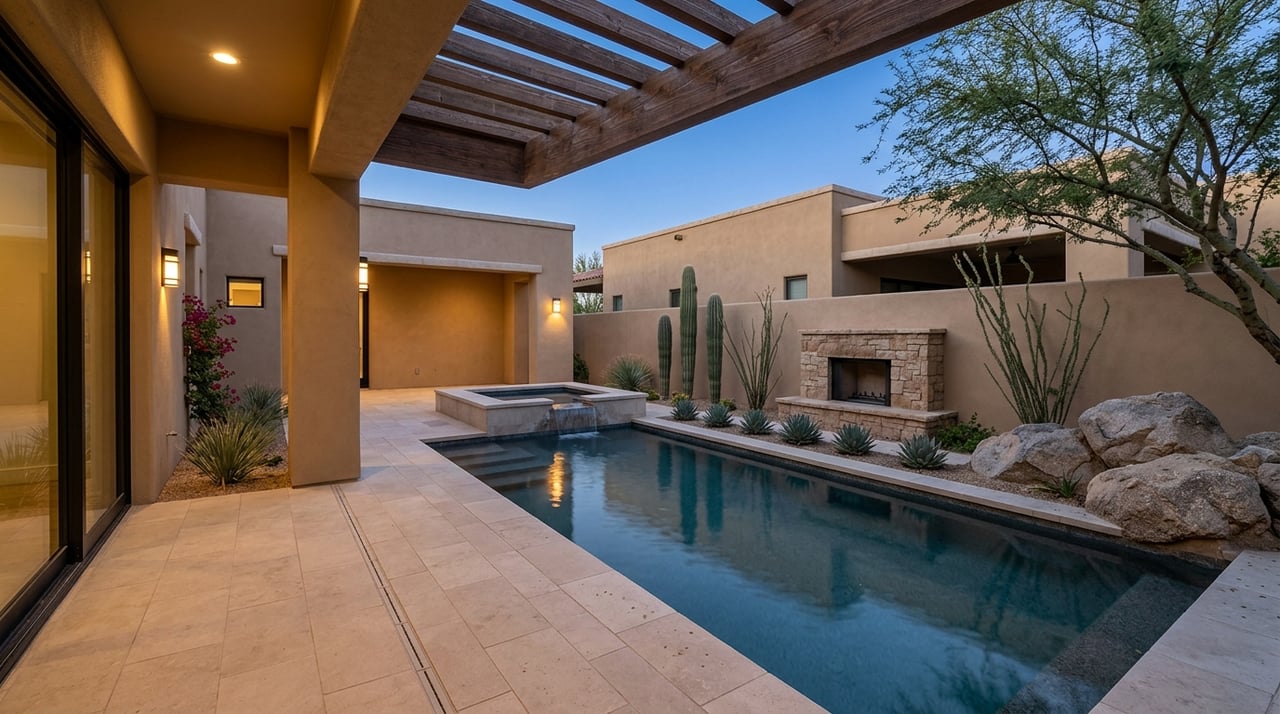
Resort-Style Homeownership At The Boulders
- 04/23/26
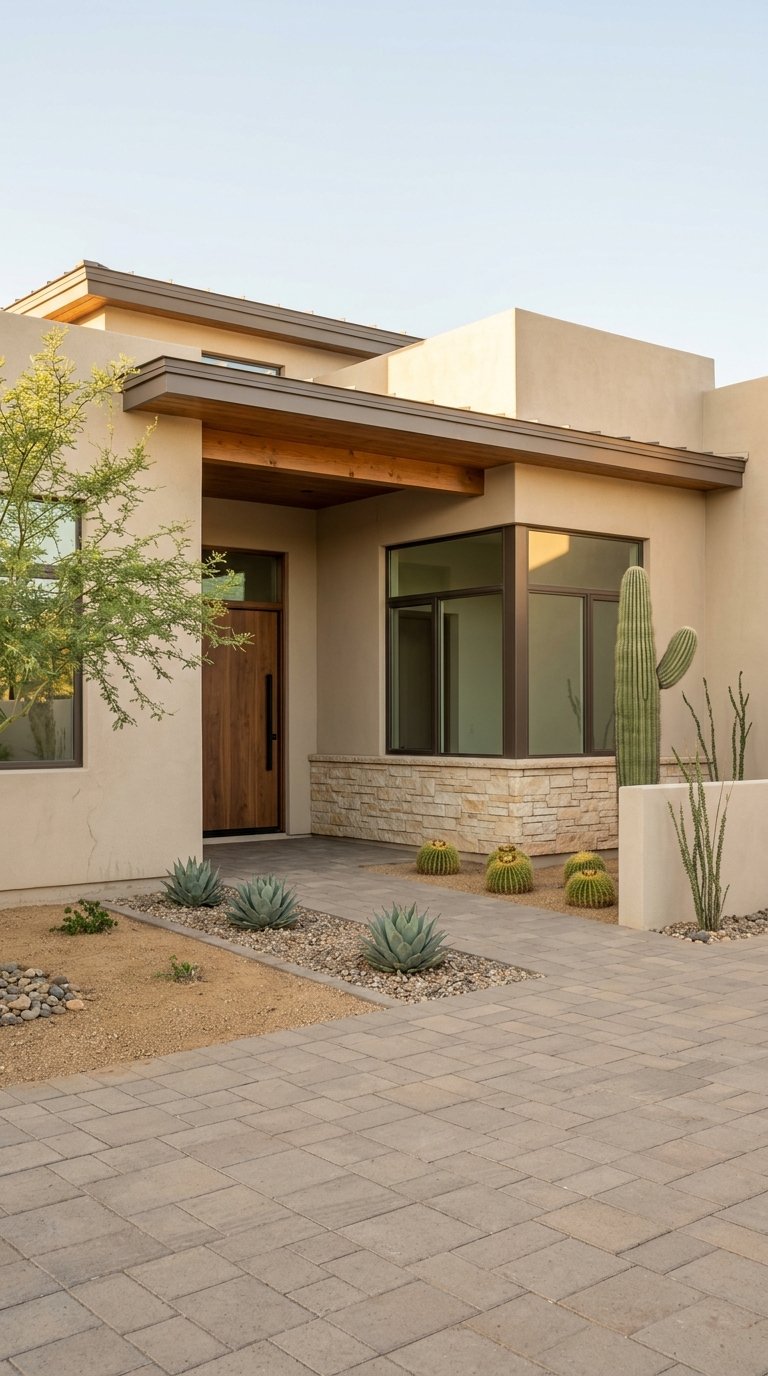
Desert Highlands Golf Living: What Buyers Should Understand
- 04/16/26

The Best Spots for Live Music in Scottsdale
- Matheson Real Estate
- 02/6/26
Local Venues Range from Jazz Clubs to Resort Showrooms.
Read MORE
Scottsdale’s Best Rooftop Bars and Restaurants with a View
- Matheson Real Estate
- 02/6/26
Find a Rooftop Bar with the Right Vibe in Scottsdale.
Read MORE
The Best Fitness Studios and Gyms in Scottsdale
- Matheson Real Estate Team
- 01/5/26
Look into these options for gyms and yoga studios in Scottsdale.
Read MORE
Top Equestrian Communities in Scottsdale
- Matheson Real Estate Team
- 12/3/25
Living the luxury Scottsdale lifestyle on horseback.
Read MORE
The Impact of Seasonal Visitors on Scottsdale's Real Estate Market
- Matheson Real Estate Team
- 11/14/25
How Snowbirds and Tourists Influence Property Trends and Investment.
Read MORE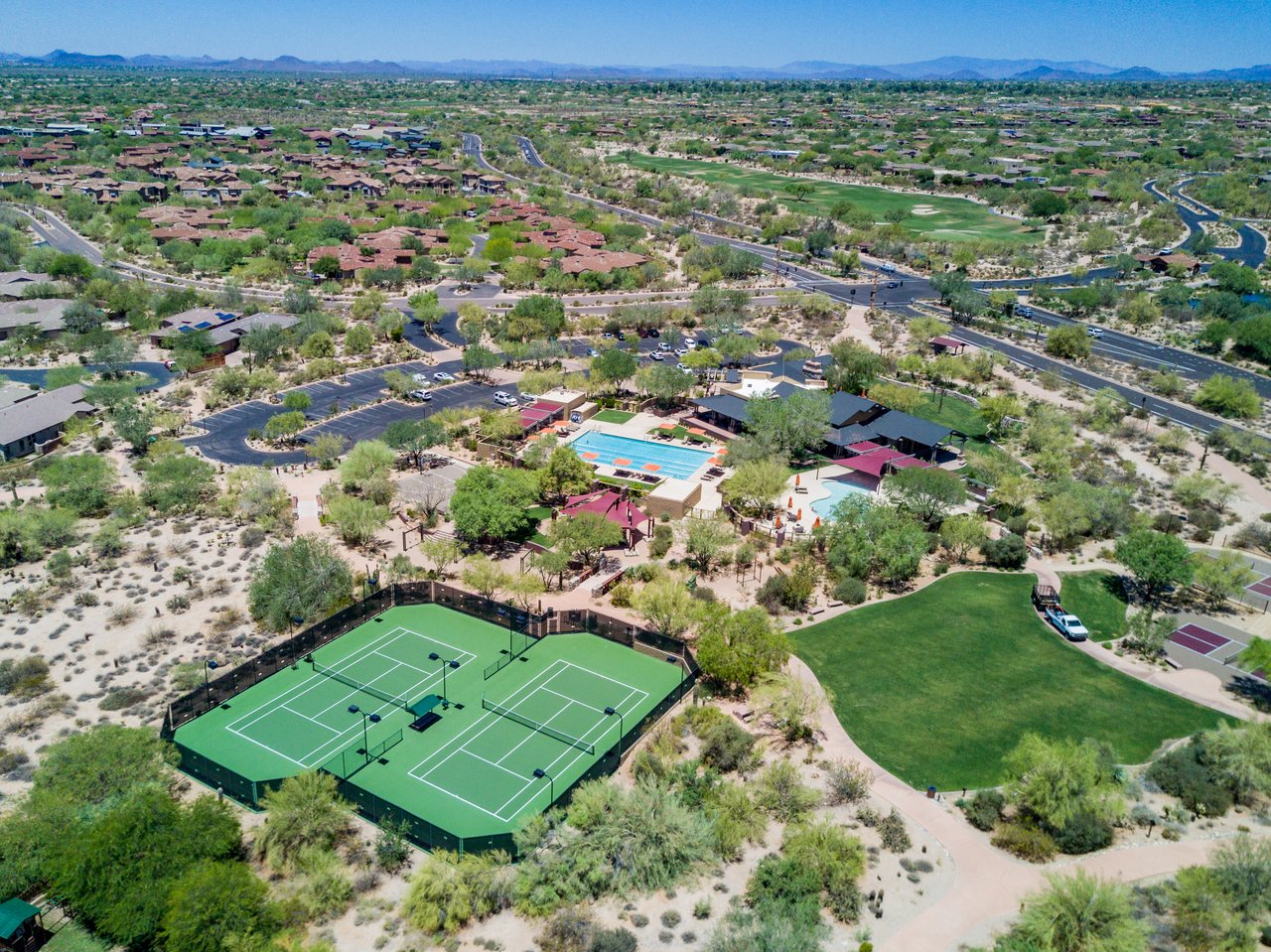
The Health Benefits of Living in Scottsdale's Desert Climate
- Matheson Real Estate Team
- 11/14/25
Unlocking Wellness Amidst the Sonoran Desert.
Read MORE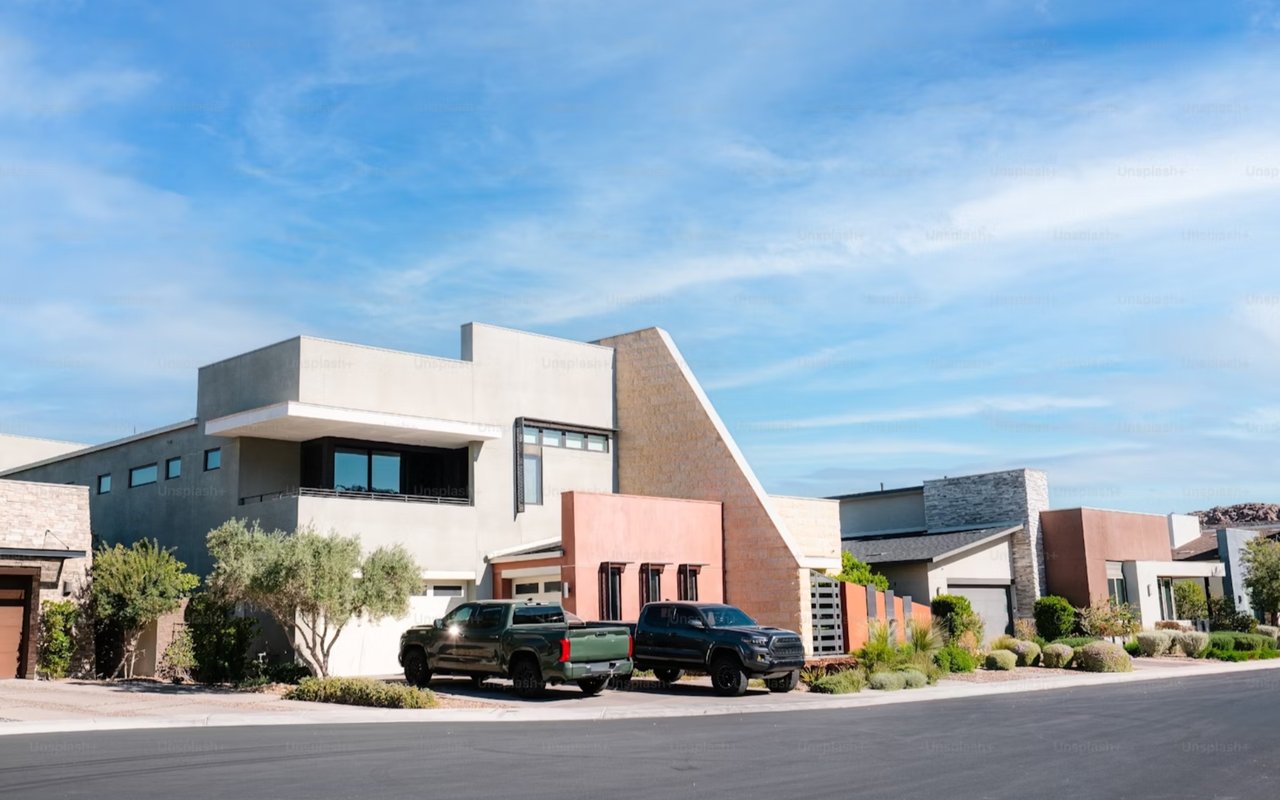
The Influence of Frank Lloyd Wright on Scottsdale Architecture
- Matheson Real Estate Team
- 11/14/25
How Scottsdale’s structures reflect Wright’s design principles.
Read MORE
The Role of Homeowners Associations in Scottsdale Neighborhoods
- Matheson Real Estate Team
- 11/14/25
Why HOAs exist and their functions in Scottsdale communities.
Read MORE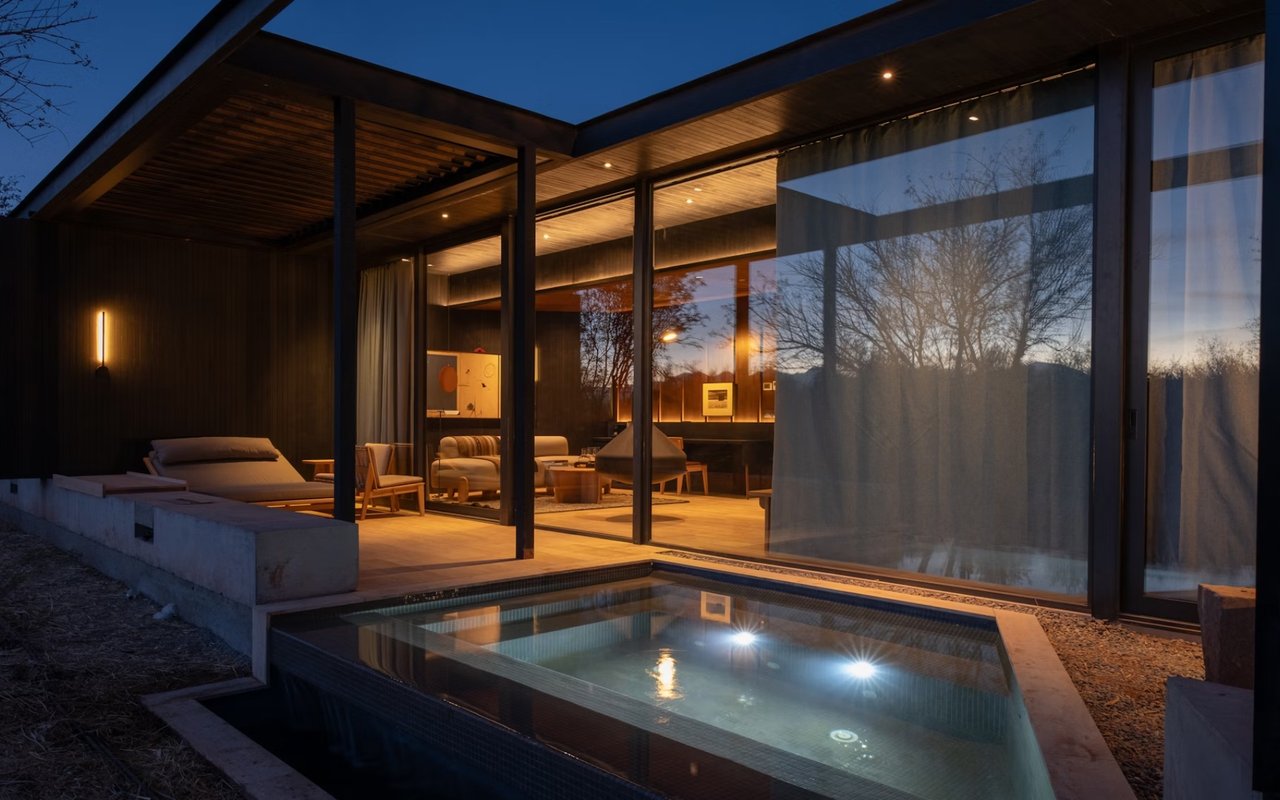
Celebrity Homes in Scottsdale: Past and Present Residents
- Matheson Real Estate Team
- 09/22/25
Scottsdale’s luxury appeal extends to these famous residents.
Read MORE
Best Weekend Getaways from Scottsdale: Where Locals Escape to Relax
- Matheson Real Estate Team
- 09/22/25
Each of these destinations is an easy drive from Scottsdale.
Read MORE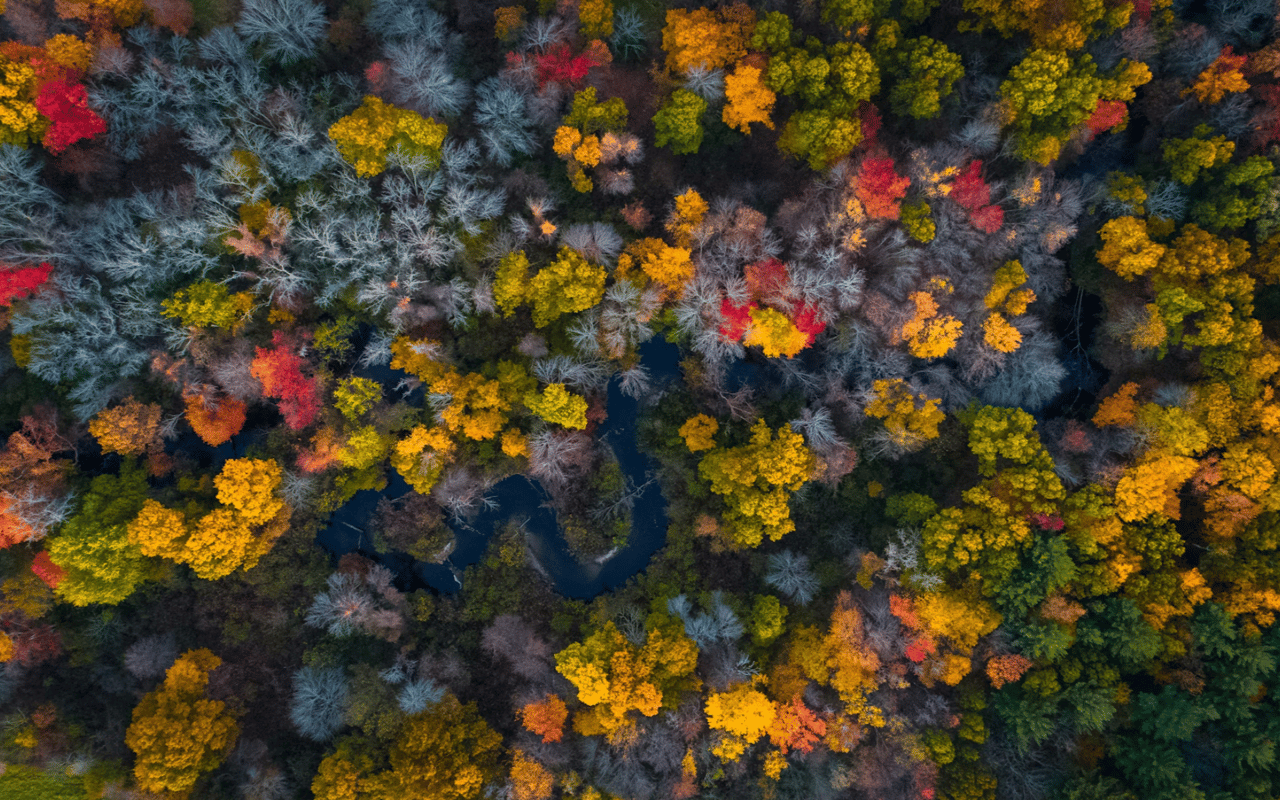
The Best Places to View Fall Foliage Near Scottsdale
- Matheson Real Estate
- 08/26/25
Explore Scenic Drives, Golden Trails, and Autumn Escapes Just Beyond the Valley.
Read MORE
How Scottsdale Became a Hub for Luxury Car Enthusiasts
- Matheson Real Estate
- 08/26/25
The Story Behind Scottsdale’s Rise as a Collector Car Capital.
Read MORE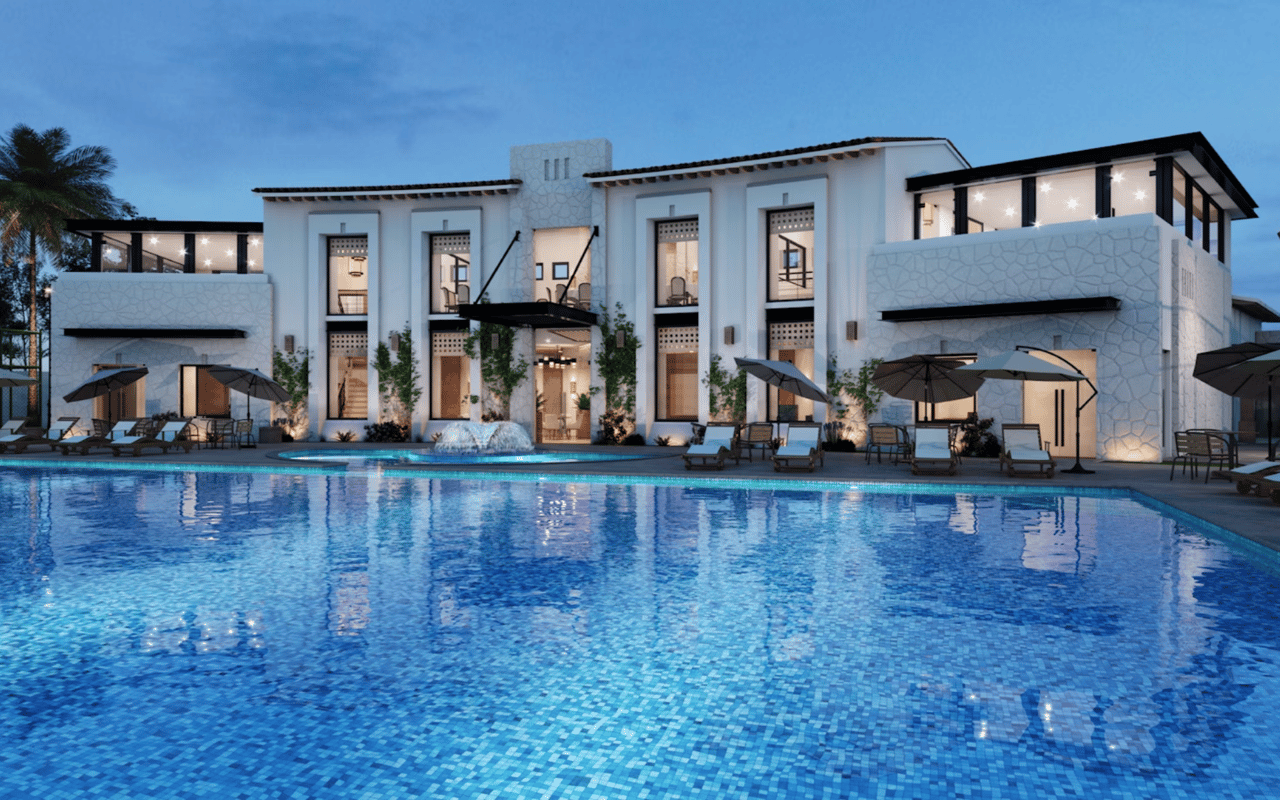
A History of Scottsdale’s Most Iconic Resorts and Hotels
- Matheson Real Estate Team
- 08/8/25
Where design, desert, and hospitality have shaped the luxury travel landscape.
Read MORE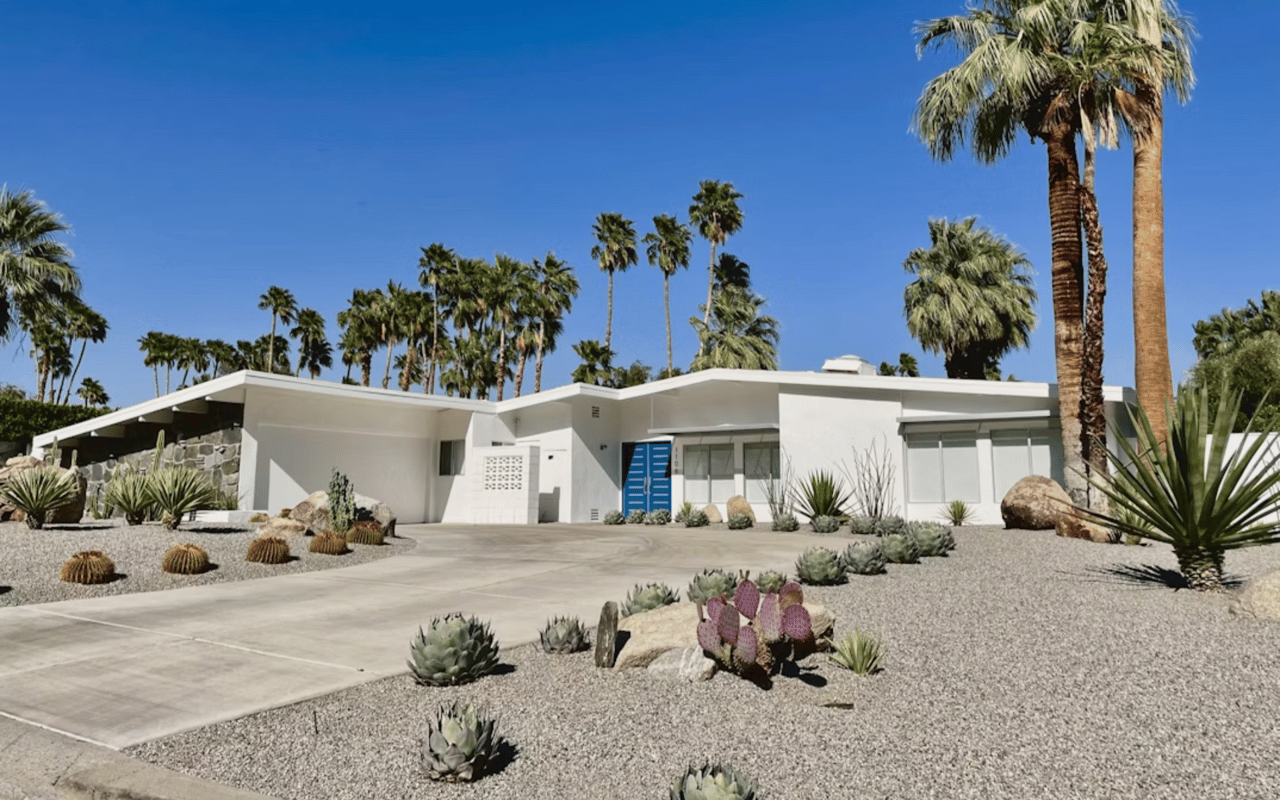
Custom-Built vs. Move-in-Ready: Which is Right for You
- Matheson Real Estate Team
- 08/5/25
Deciding between building from scratch or stepping into a turnkey Scottsdale home.
Read MORE
The Best Coworking Spaces in Scottsdale for Remote Workers
- Matheson Real Estate Team
- 07/20/25
Flexible offices and desert views make Scottsdale a great place to get work done.
Read MORE
The Most Walkable Neighborhoods in Scottsdale: Where You Can Live Without a Car
- Matheson Real Estate Team
- 07/13/25
Pedestrian-friendly communities where convenience meets connection.
Read MORE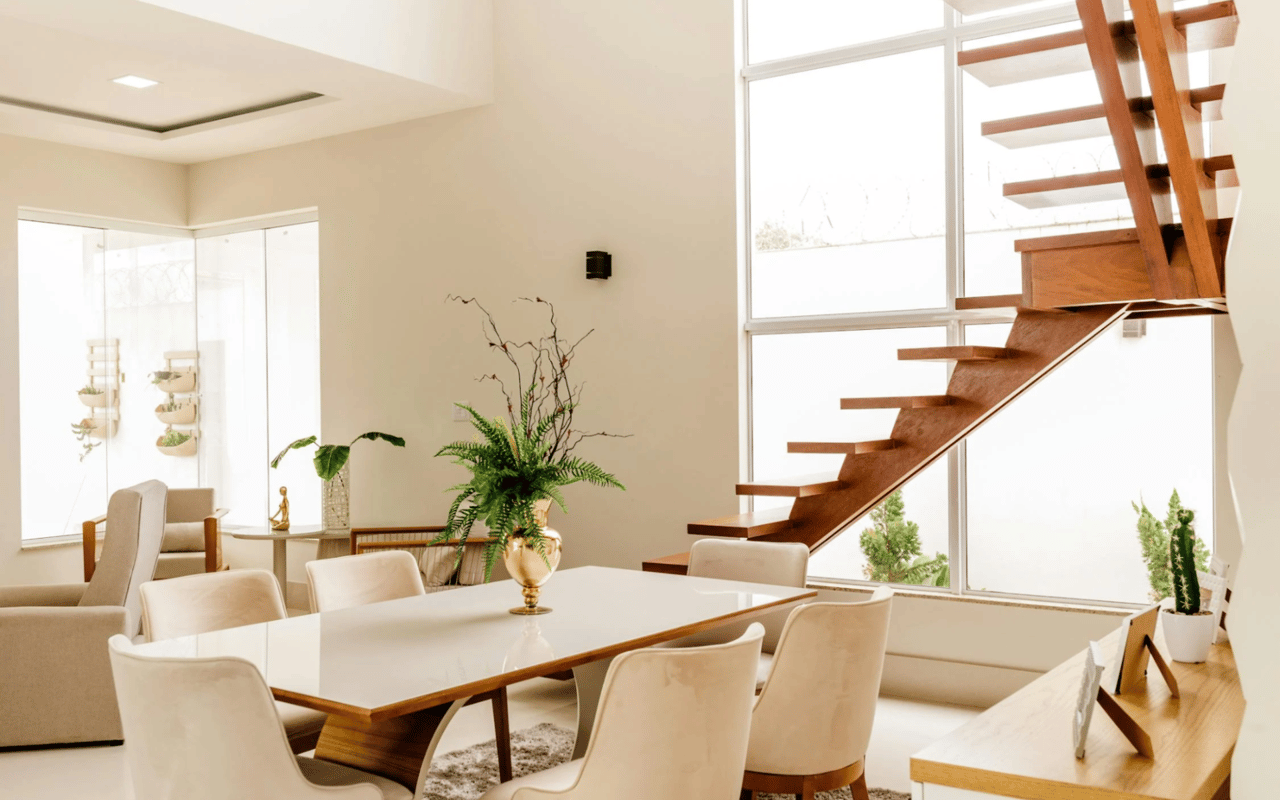
How to Appeal to International Buyers in Scottsdale's Luxury Market
- Matheson Real Estate Team
- 06/11/25
Strategies that help sellers attract global interest and close with confidence.
Read MORE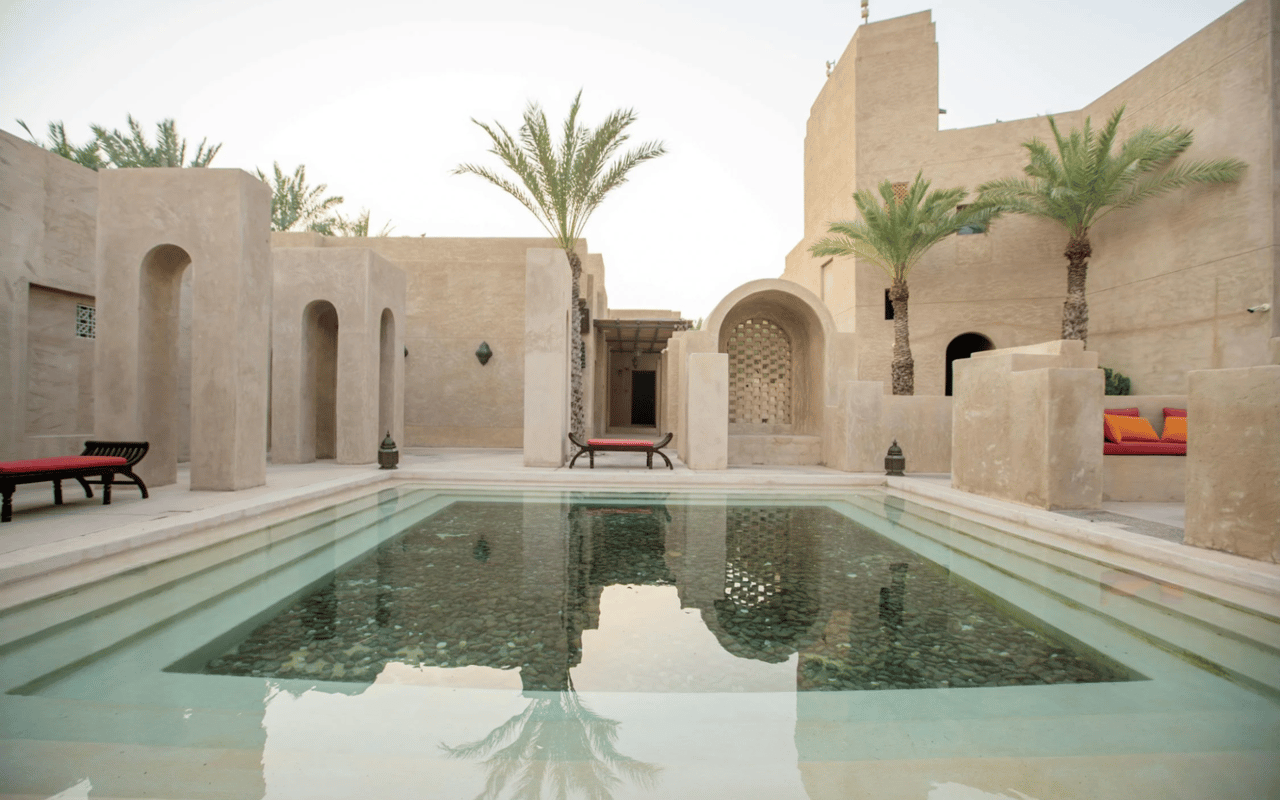
How the Arizona Heat Affects Home Maintenance: Tips for Scottsdale Homeowners
- Matheson Real Estate Team
- 06/4/25
Smart strategies to protect your property and stay ahead of costly repairs during extreme summer temperatures.
Read MORE
How Scottsdale Locals Celebrate Cinco de Mayo
- Matheson Real Estate Team
- 05/12/25
Local Events, Food, and Festivities That Bring the City Together Each May.
Read MORE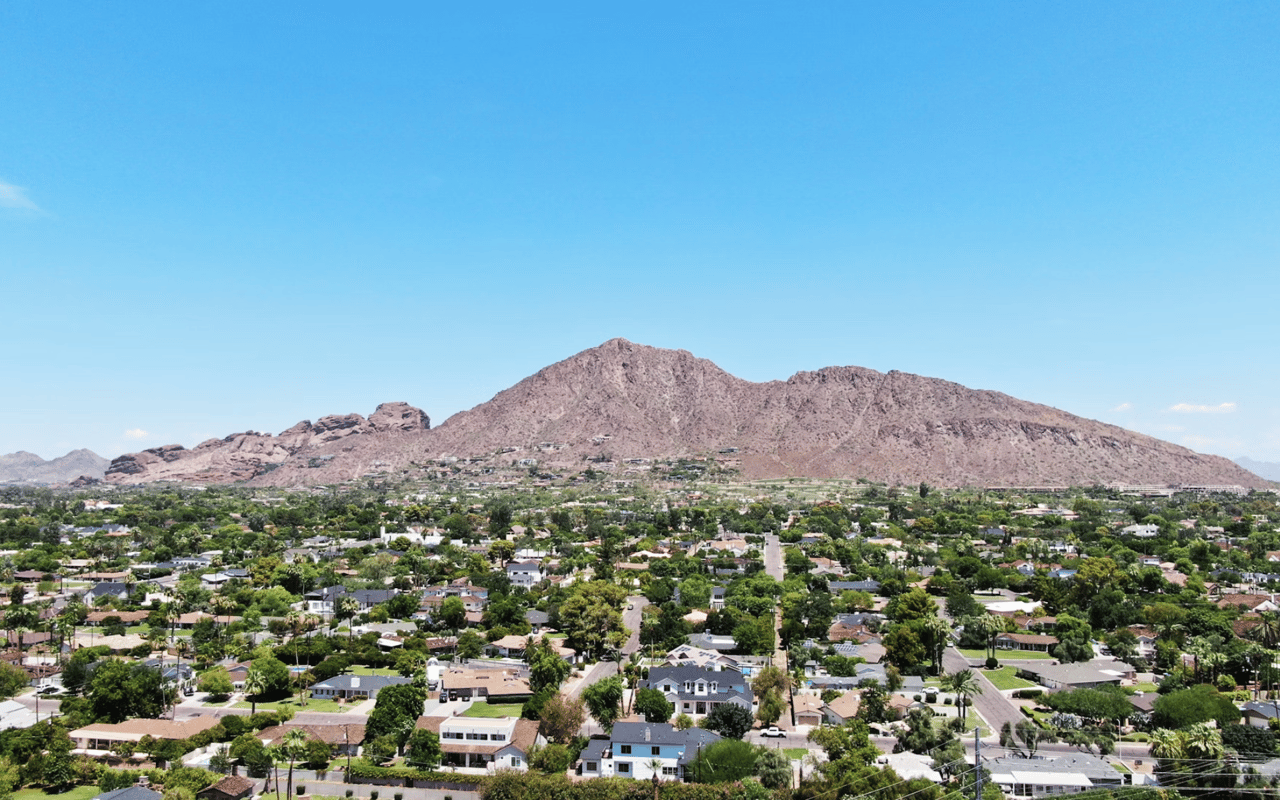
Why Living Near Camelback Mountain Comes with Premium Pricing
- Matheson Real Estate Team
- 05/6/25
A Look at What Drives Value in One of Scottsdale’s Most Iconic Areas.
Read MORE
How to Spend a Perfect Weekend in Old Town Scottsdale
- Matheson Real Estate Team
- 04/7/25
Discover the Best of This Iconic Arizona Destination.
Read MORE
Scottsdale’s Best Farmers’ Markets and Organic Shopping Spots
- Matheson Real Estate Team
- 04/3/25
Where to Find Fresh, Local Goods in Scottsdale.
Read MORE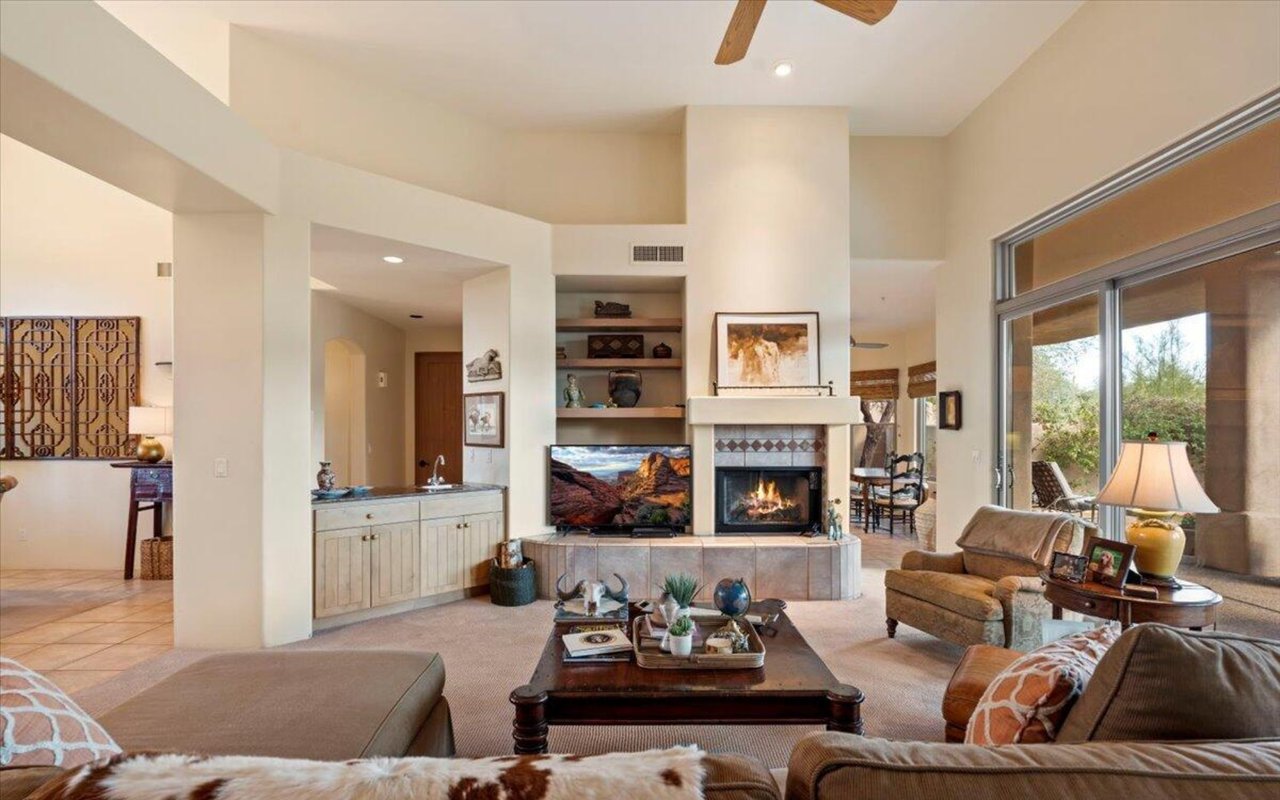
How to Find the Best Interior Designers in Scottsdale
- Matheson Real Estate Team
- 03/17/25
Transforming Your Space with Scottsdale’s Leading Design Experts.
Read MORE
Pet-Friendly Restaurants in Scottsdale
- Matheson Real Estate Team
- 03/17/25
Enjoy Great Food with Your Four-Legged Companion.
Read MORE
What to Look for in Scottsdale’s Top Luxury Real Estate Developments
- Matheson Real Estate Team
- 03/13/25
Discover the Hallmarks of Premier Living in Arizona's Desert Oasis.
Read MORE
How to Make Sure Your Home is Safe for Children
- Matheson Real Estate
- 03/13/25
Taking these steps ensures a safer home and peace of mind.
Read MORE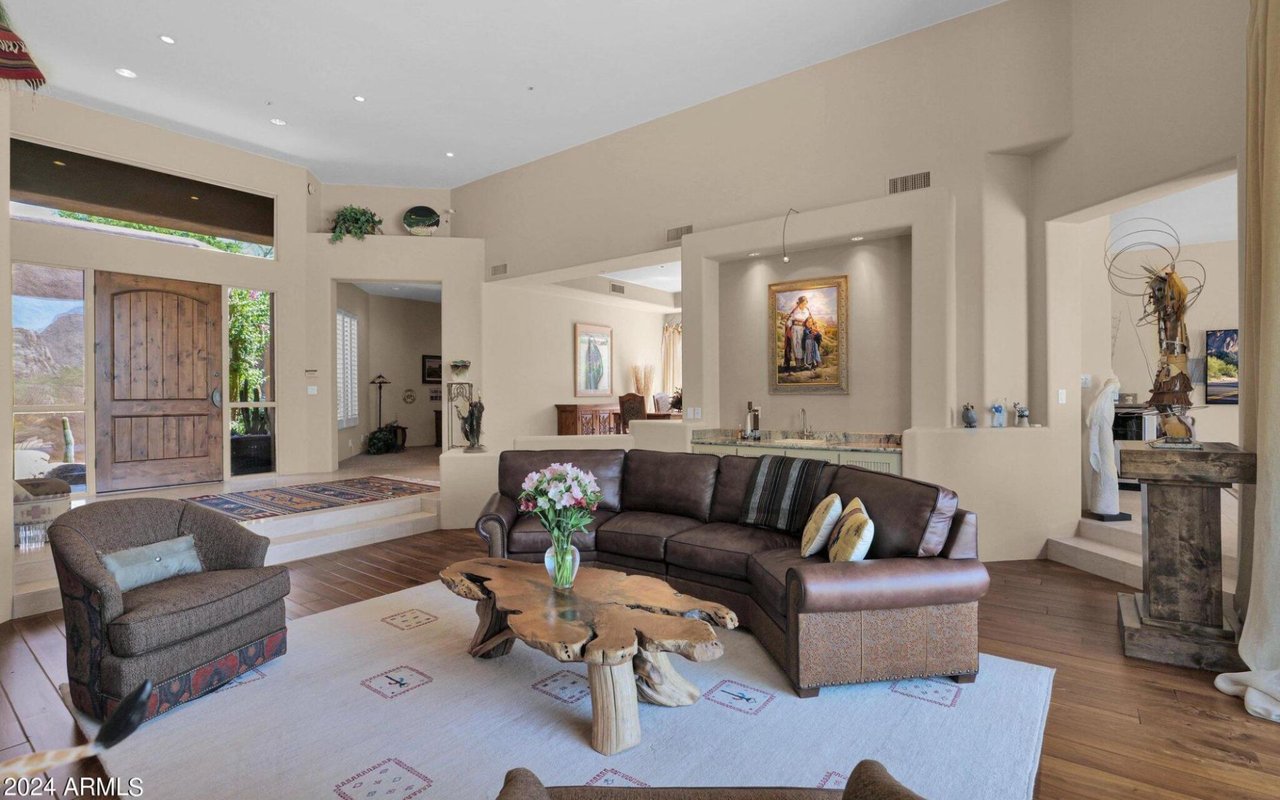
The Role of Real Estate Agents in Helping Buyers Find the Perfect Luxury Home in Scottsdale
- Matheson Real Estate
- 03/10/25
Expert Guidance for Navigating the Scottsdale Luxury Real Estate Market.
Read MORE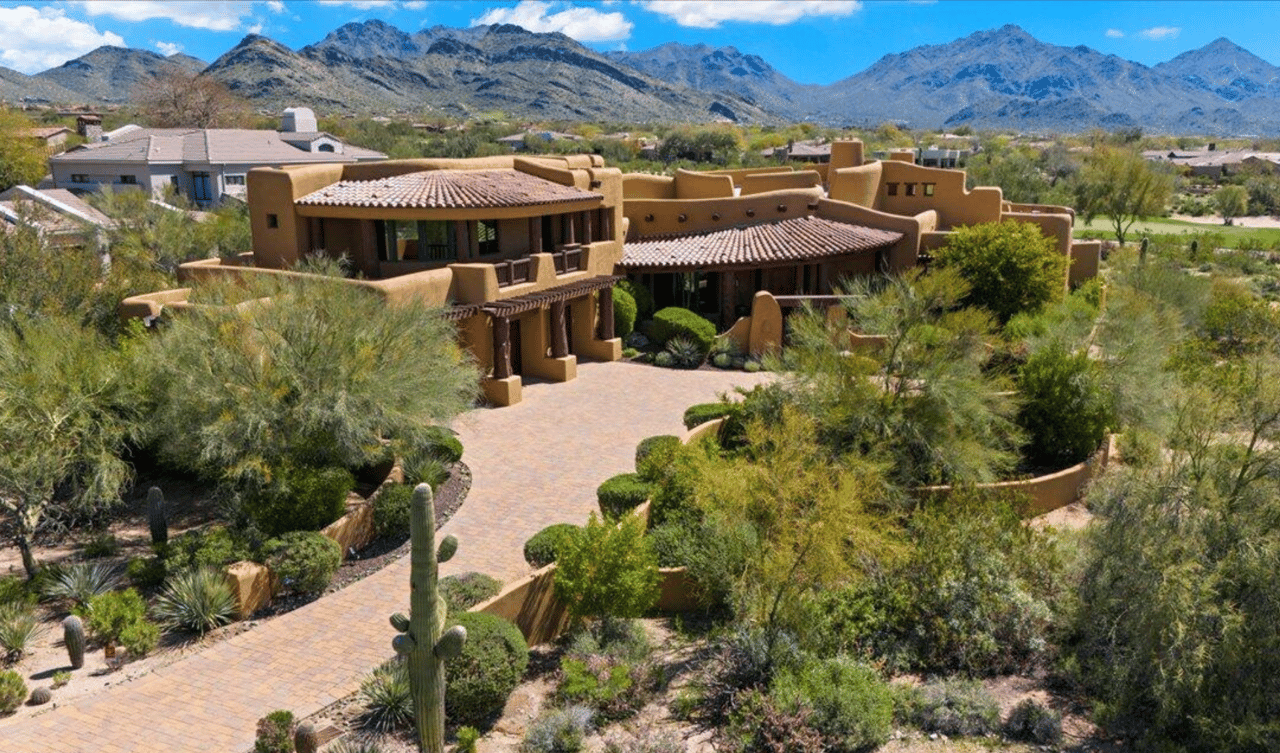
8 Neighborhood Amenities That Increase Home Value
- Matheson Real Estate Team
- 03/9/25
Discover the neighborhood features that enhance property value and attract buyers in Scottsdale.
Read MORE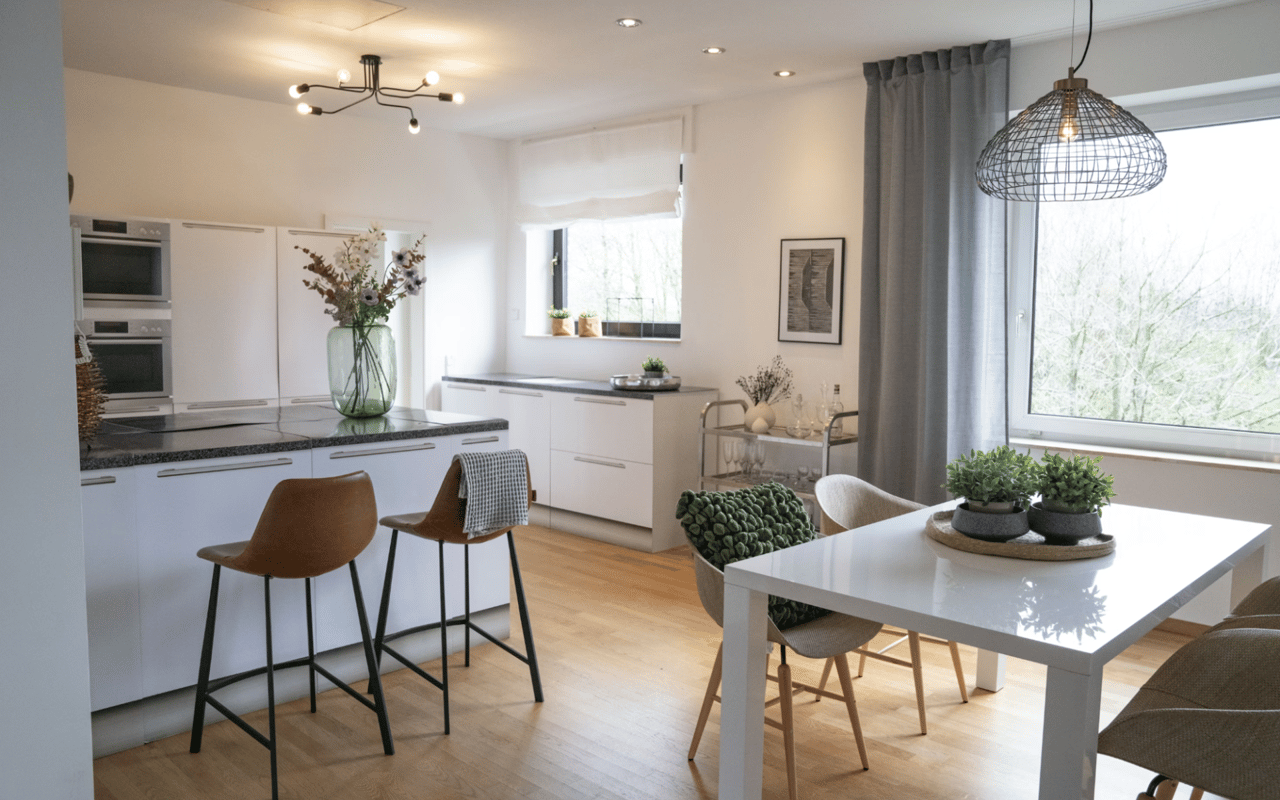
Decoding the Relationship Between Home Age and Market Value
- Matheson Real Estate
- 03/5/25
Exploring the connections between a property’s age and its market value can open doors to smarter real estate decisions.
Read MORE
8 Essential Home Office Design Tips
- Don Matheson
- 02/27/25
Make your home office a space you’ll love, no matter what’s on your agenda.
Read MORE
Why Scottsdale is a Hot Market for International Buyers
- Don Matheson
- 02/25/25
Exploring Scottsdale’s Appeal for Global Investors.
Read MORE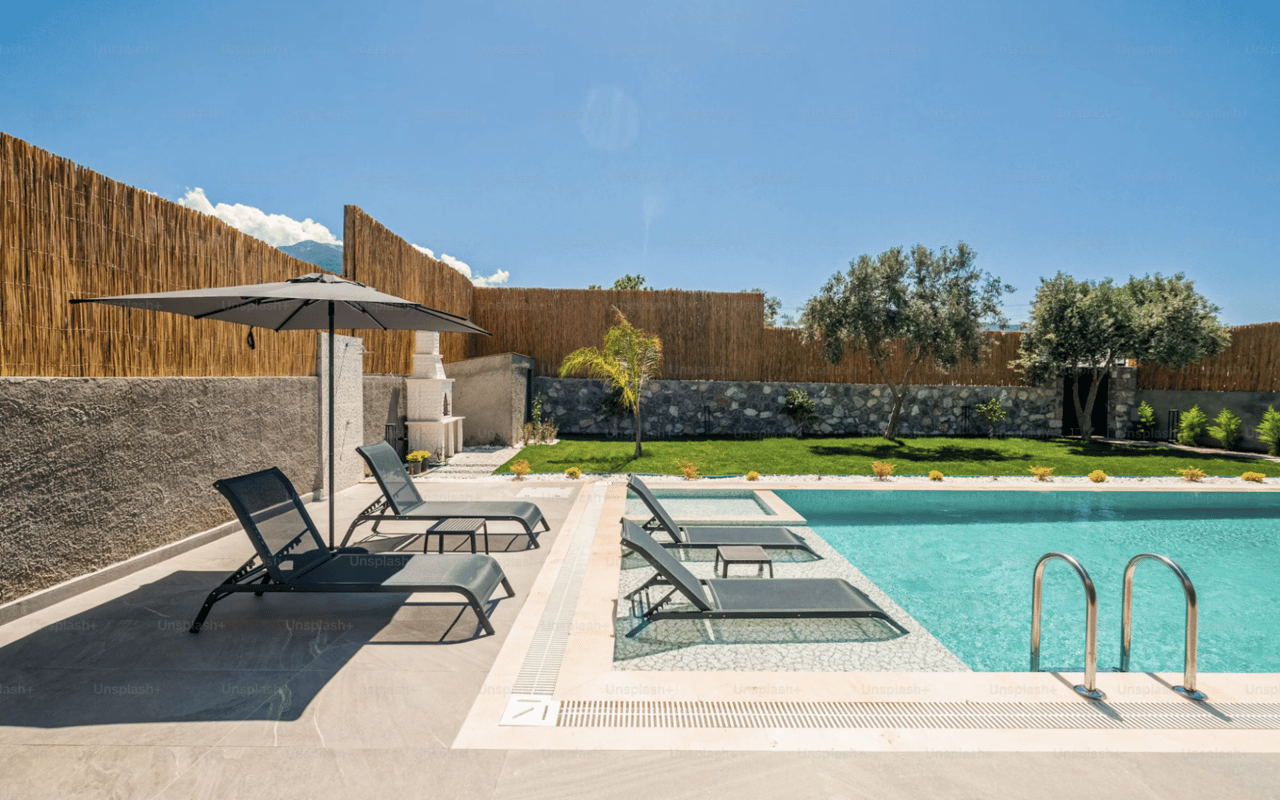
Transform Your Scottsdale Backyard: Tips for Creating a Luxurious Outdoor Oasis
- Don Matheson
- 02/18/25
Elevate Your Scottsdale Living with Luxurious Outdoor Upgrades.
Read MORE
How to Navigate the Appraisal Process as a Buyer or Seller in Scottsdale
- Don Matheson
- 02/18/25
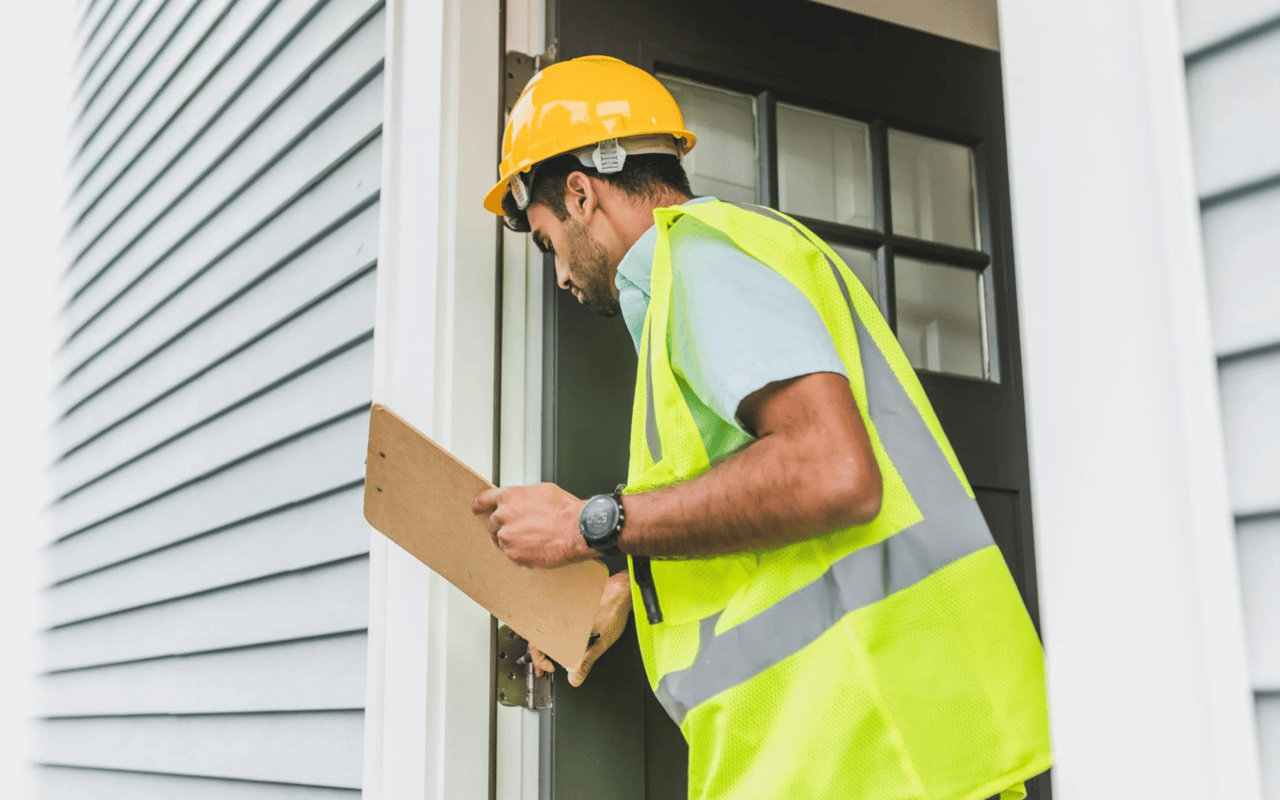
How to Maintain Your House's Foundation
- Don Matheson
- 02/13/25
Tips for Scottsdale Homeowners to Protect Their Property.
Read MORE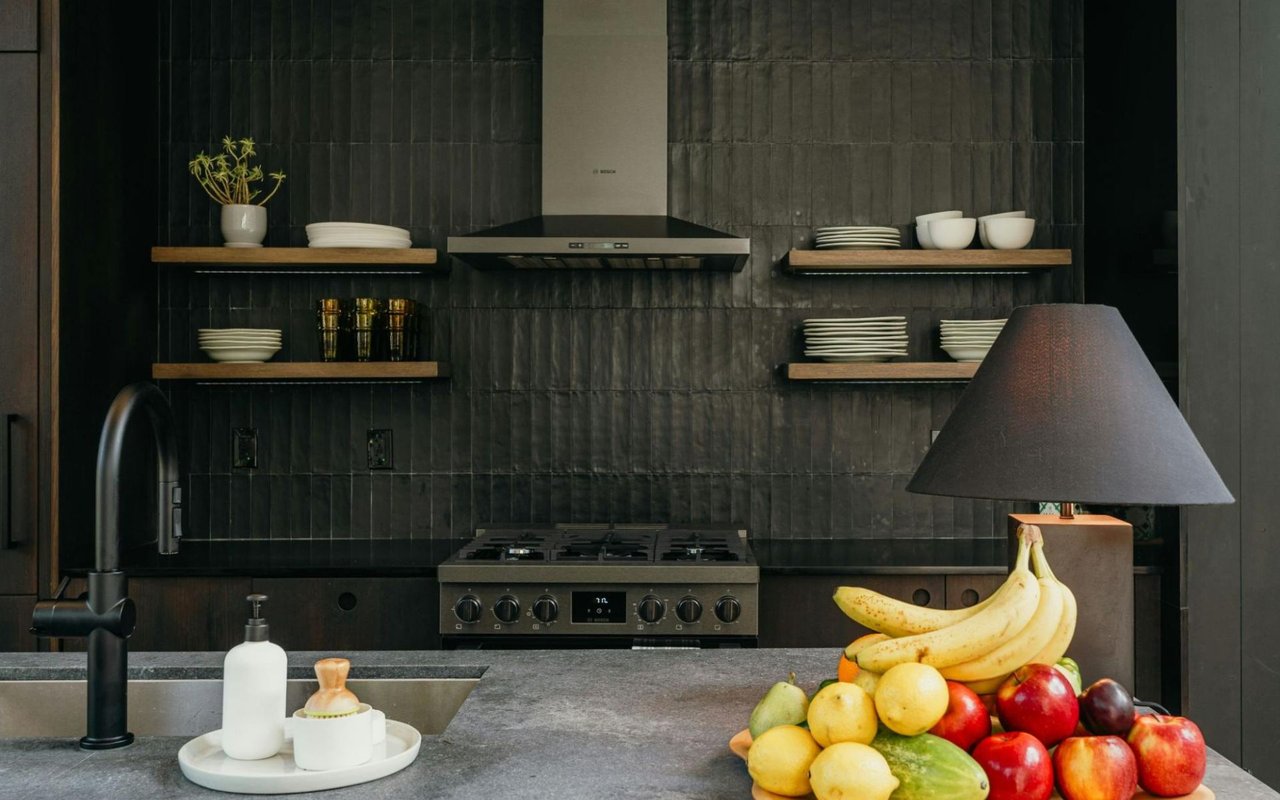
How to Attract High-End Buyers to Your Scottsdale Luxury Property: Marketing Tips
- Don Matheson
- 02/11/25
Maximize the Appeal of Your Scottsdale Home with These Strategic Marketing Tips.
Read MORE
A Deep Dive Into Scottsdale's Top Gated Communities
- Don Matheson
- 02/11/25
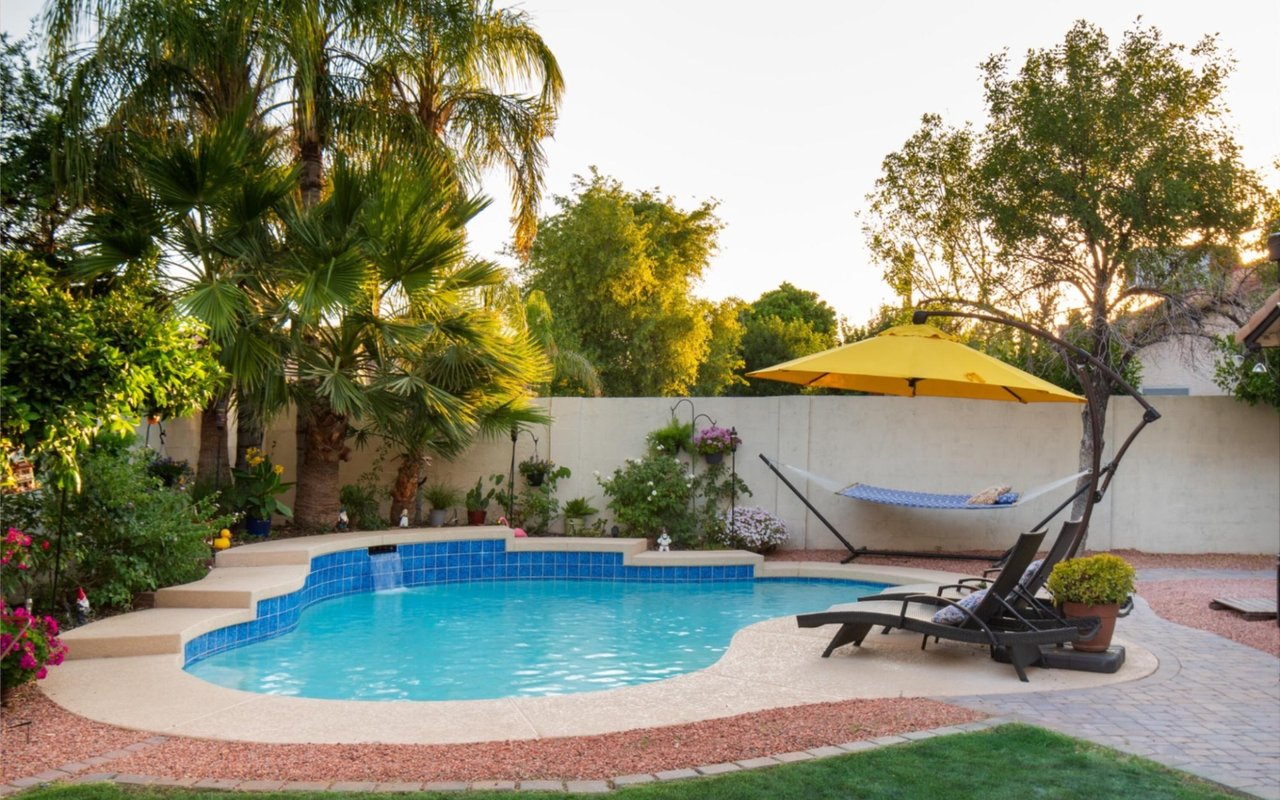
Scottsdale’s Luxury Real Estate: What You Need to Know About Market Trends and Prospects
- Matheson Real Estate Team
- 02/5/25
A Comprehensive Look at Scottsdale’s Thriving High-End Property Market.
Read MORE
How to Prepare Your Scottsdale Home for a Competitive Market
- Don Matheson
- 02/4/25
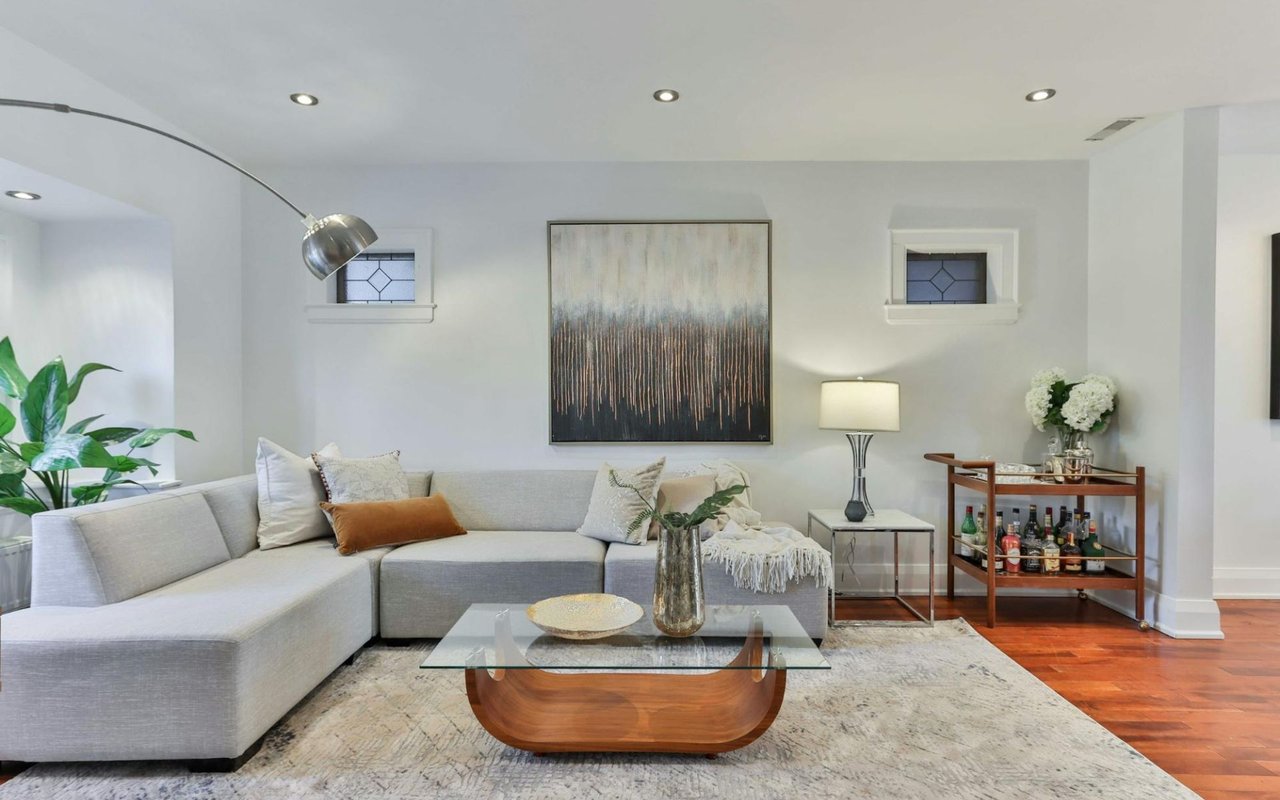
Luxury Home Design Trends for 2025
- Matheson Real Estate Team
- 02/3/25
Scottsdale’s future is as bright as its sun-soaked skies — bring these ideas to life and transform your living space.
Read MORE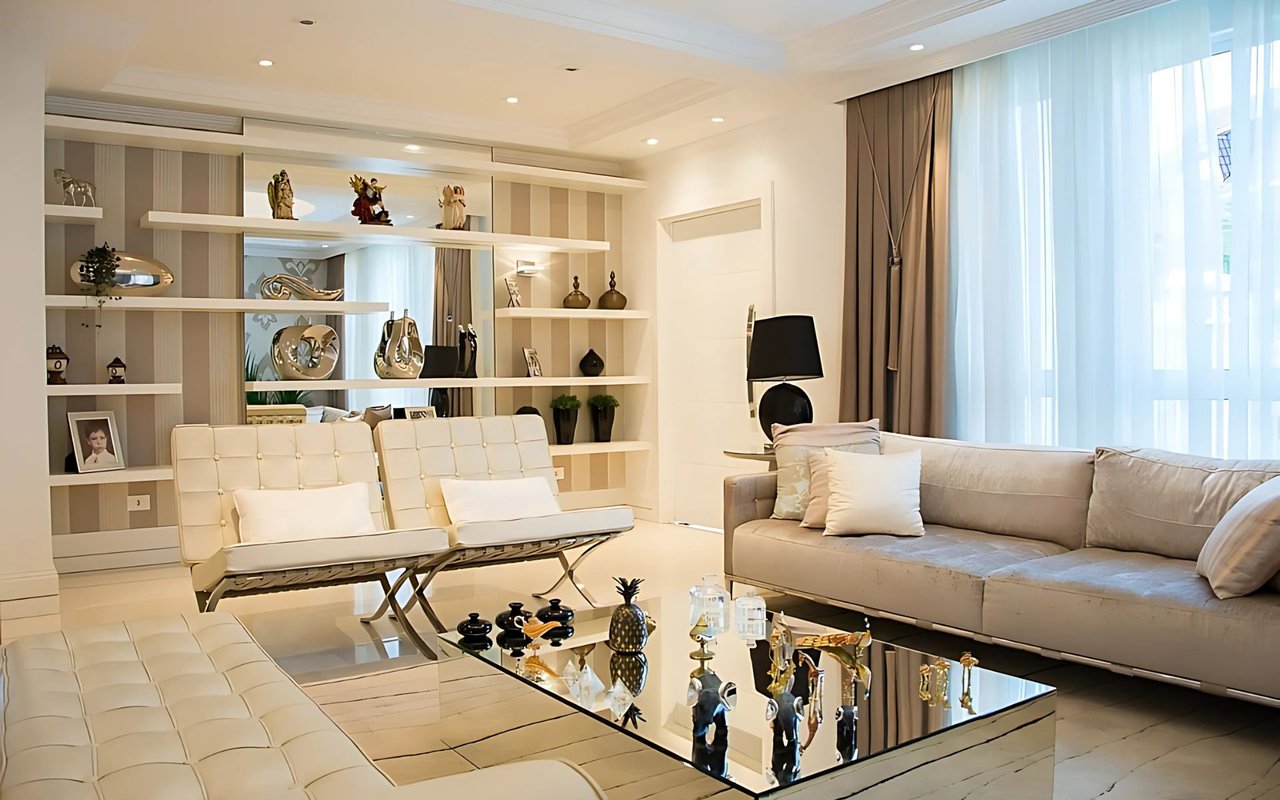
Touring Scottsdale’s Historic Homes: Discover Their Unique Features and Stories
- Matheson Real Estate Team
- 01/30/25
Step into Scottsdale’s past and make it part of your future.
Read MORE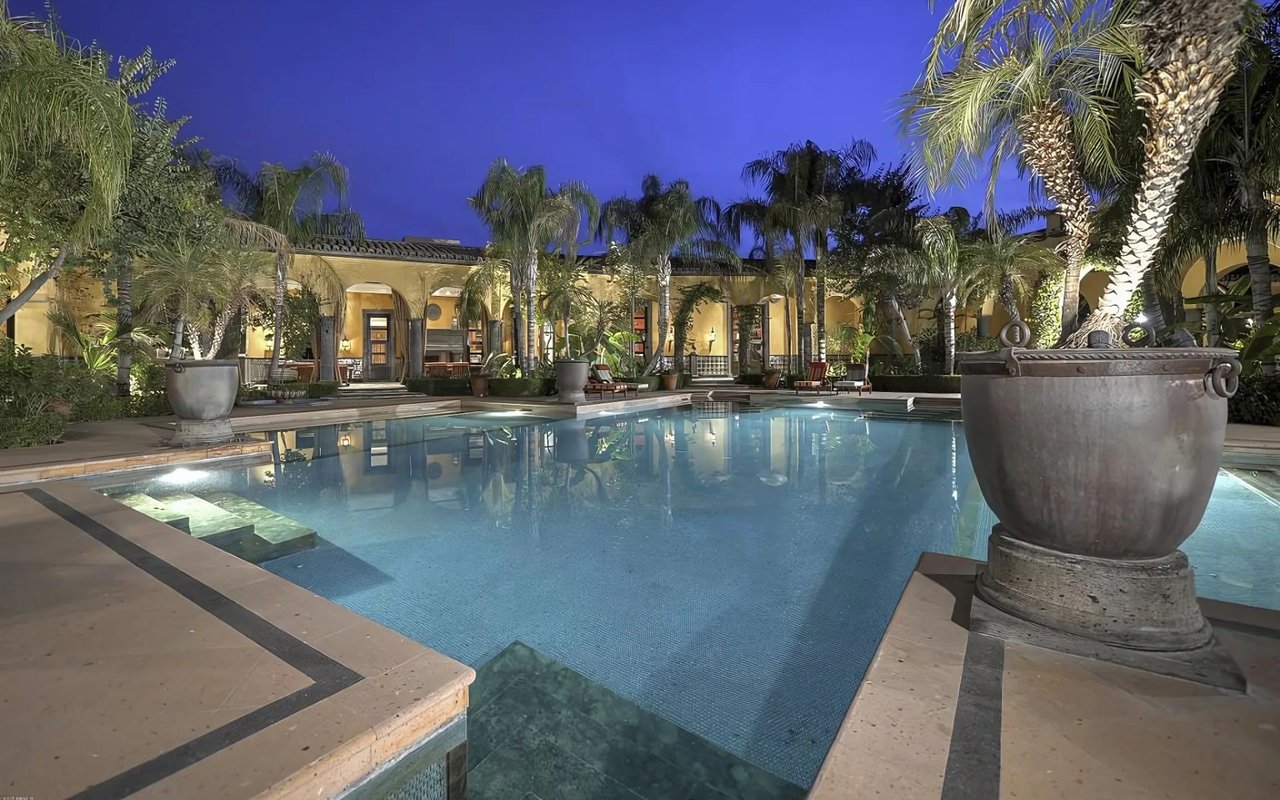
Top Real Estate Investment Areas in Scottsdale
- Don Matheson
- 01/29/25
Real estate investors should consider these Scottsdale neighborhoods.
Read MORE
Fun and Engaging Family Activities to Explore in Scottsdale
- Matheson Real Estate Team
- 01/29/25
Find entertainment for all ages on your next visit to Scottsdale.
Read MORE
Understanding the Closing Process: What Scottsdale Buyers and Sellers Need to Know
- 01/28/25
The Most Prestigious Neighborhoods in Scottsdale for Luxury Living
- Matheson Real Estate Team
- 01/27/25
Elevate your lifestyle: A tour through Scottsdale’s elite enclaves.
Read MORE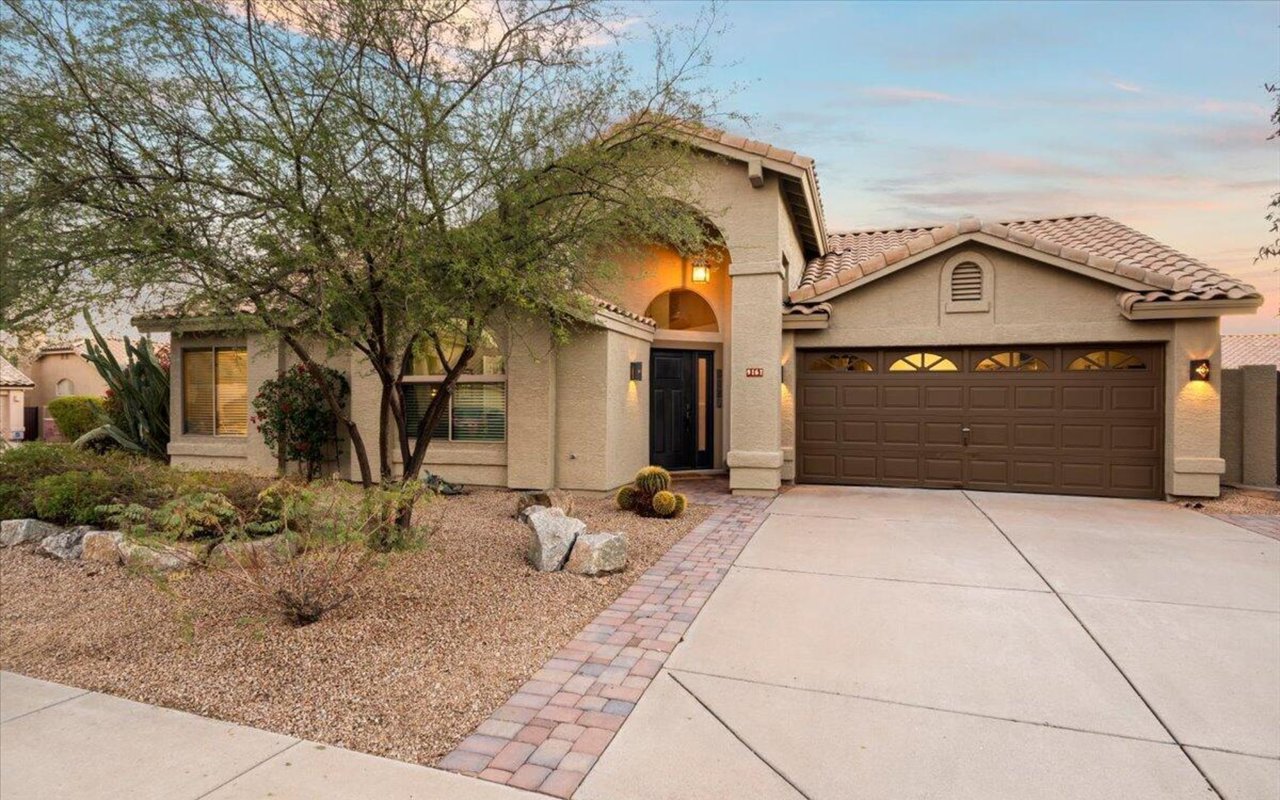
What to Know About Buying a Home in Scottsdale’s Historic Districts
- Matheson Real Estate Team
- 01/23/25
Discover The Charm and Character of Scottsdale's Historic Neighborhoods.
Read MORE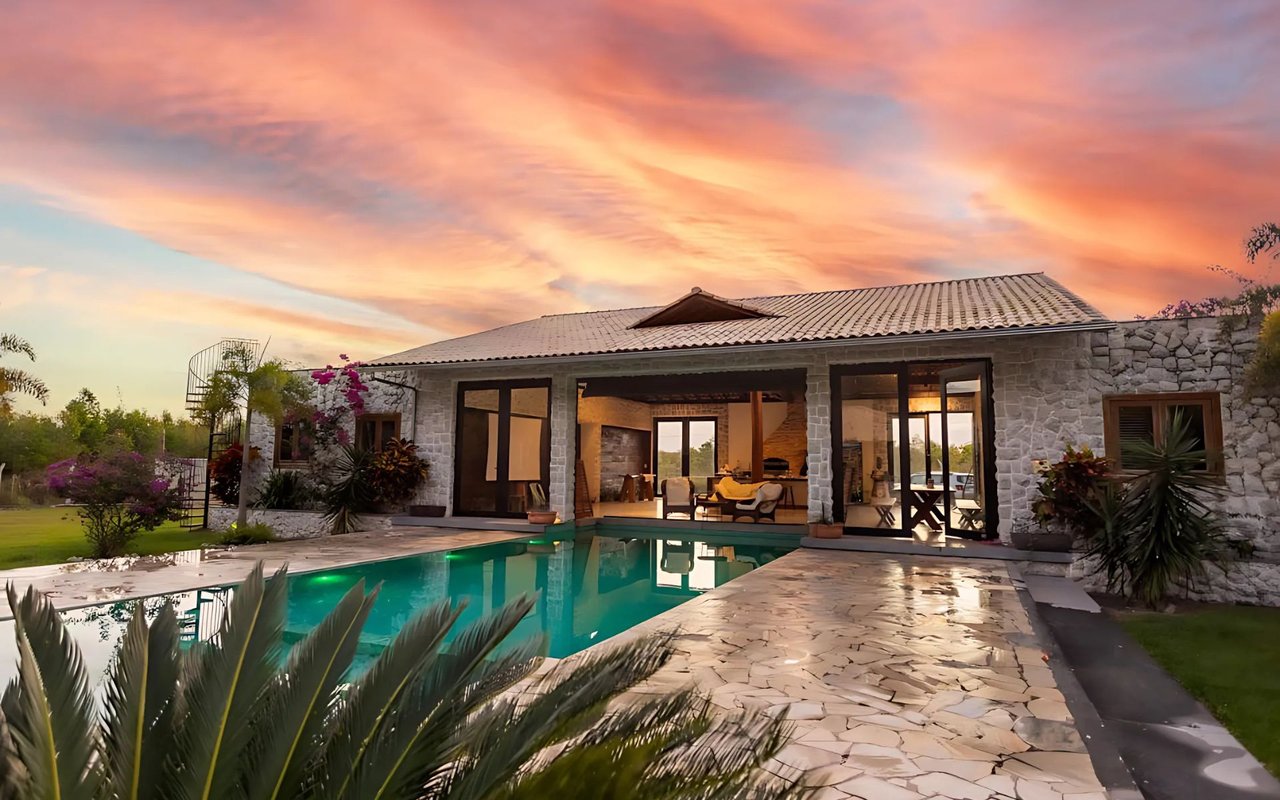
Understanding Scottsdale's Luxury Real Estate Market: A Seller's Perspective
- Don Matheson
- 01/22/25
Selling your luxury home in Scottsdale offers more than financial rewards — it’s a chance to showcase the unique beauty and lif...
Read MORE
Exploring Scottsdale's Hidden Gems: Local Favorites Off the Beaten Path
- Don Matheson
- 01/21/25
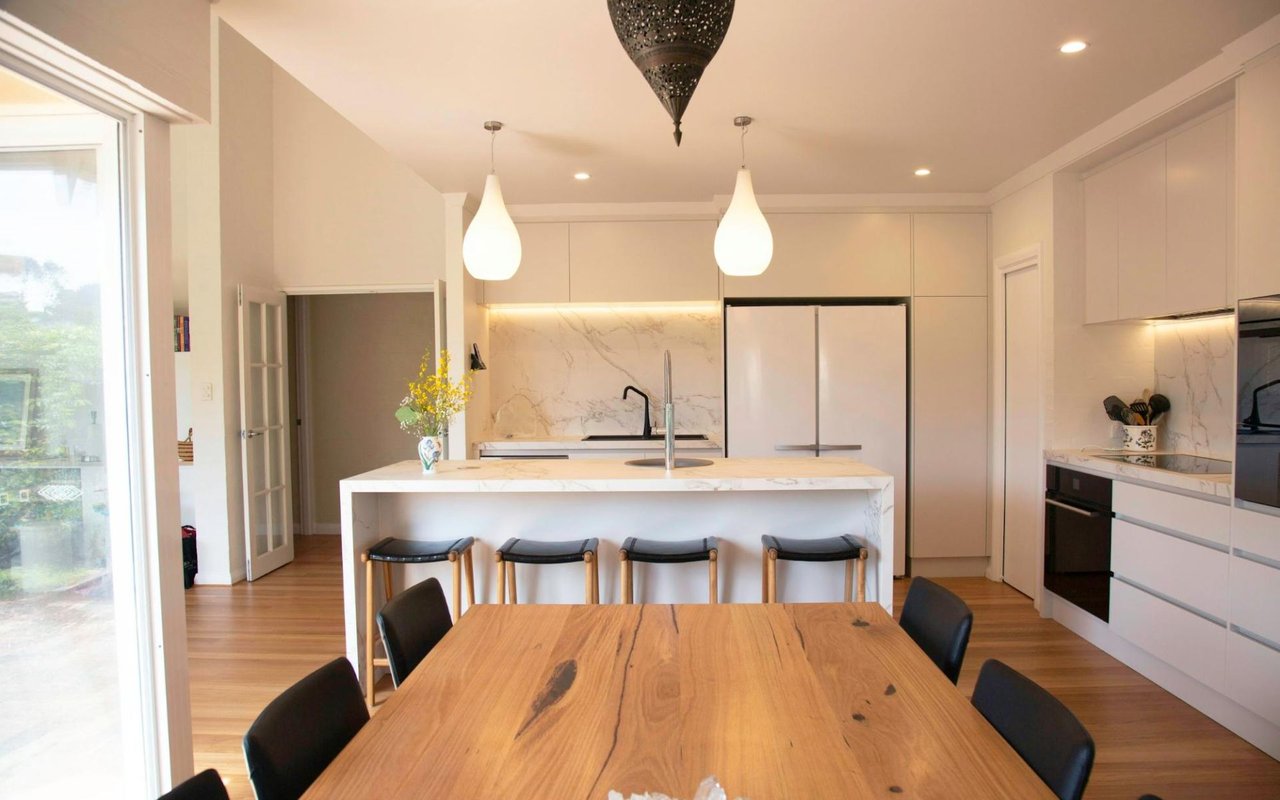
Evaluating Luxury Home Listings in Scottsdale: Red Flags and What to Watch For
- Matheson Real Estate
- 01/20/25
Your perfect luxury home in Scottsdale awaits — start your journey with confidence and clarity today.
Read MORE
Annual Home Maintenance Checklist to Keep Your Property Value Up
- Matheson Real Estate Team
- 01/15/25
Your home is your sanctuary, and with regular maintenance, it can be your smartest investment.
Read MORE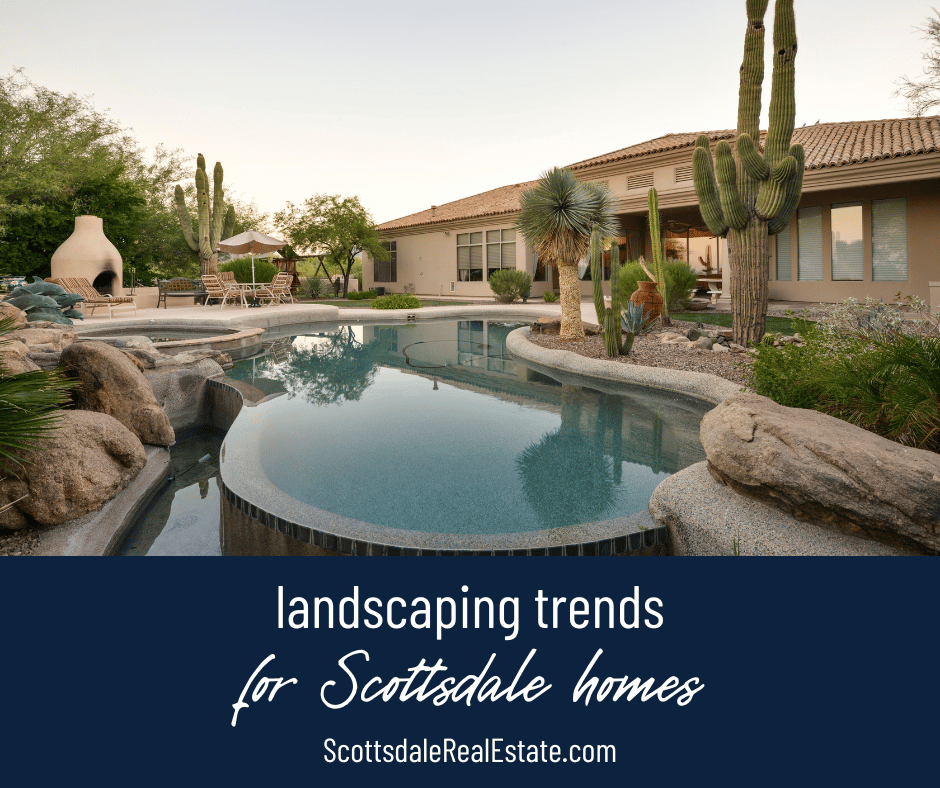
Top Landscaping Trends for Scottsdale Homes: Creating a Desert Oasis
- Don Matheson
- 01/14/25

The Science of Color: How to Choose Paint Tones for Every Room
- Matheson Real Estate Team
- 01/13/25
With the right colors, your home can reflect your personality and create a welcoming atmosphere for everyone who walks through ...
Read MORE
What Does Homeowners Insurance Cover? A Beginner's Guide
- Matheson Real Estate Team
- 01/8/25
Protecting your home is about more than coverage — it’s about confidence. Understand what’s included in your policy, and you’ll...
Read MORE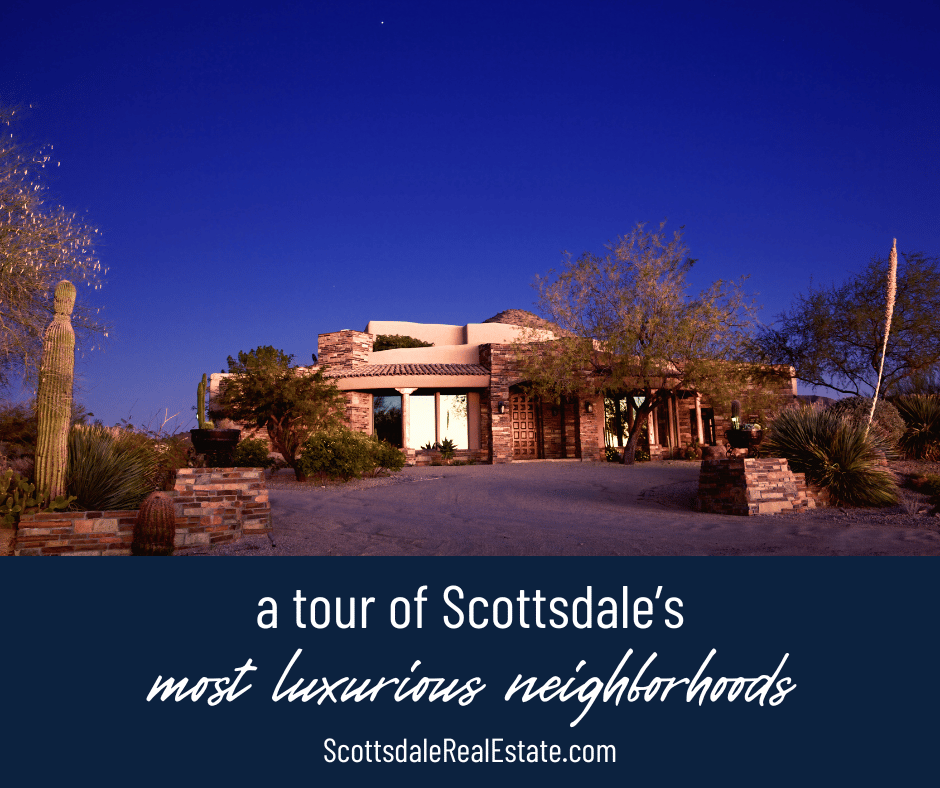
A Tour of Scottsdale's Most Luxurious Neighborhoods: What Defines High-End Living
- Don Matheson
- 01/7/25

10 High-Tech Add-Ons That Can Boost Your Home's Value
- Don Matheson
- 12/23/24

10 Things Buyers Hate About Homes on the Market Today
- Don Matheson
- 12/9/24

5 Tips for First-Time Investors in Scottsdale's Real Estate Market
- Don Matheson
- 12/2/24

Guide to Buying an Ultra-Luxury Home in Scottsdale
- Don Matheson
- 11/25/24

10 Tips for Buying a Luxury Home in Scottsdale
- Don Matheson
- 11/18/24

5 Tips for Buying Your Forever Home
- Don Matheson
- 11/11/24
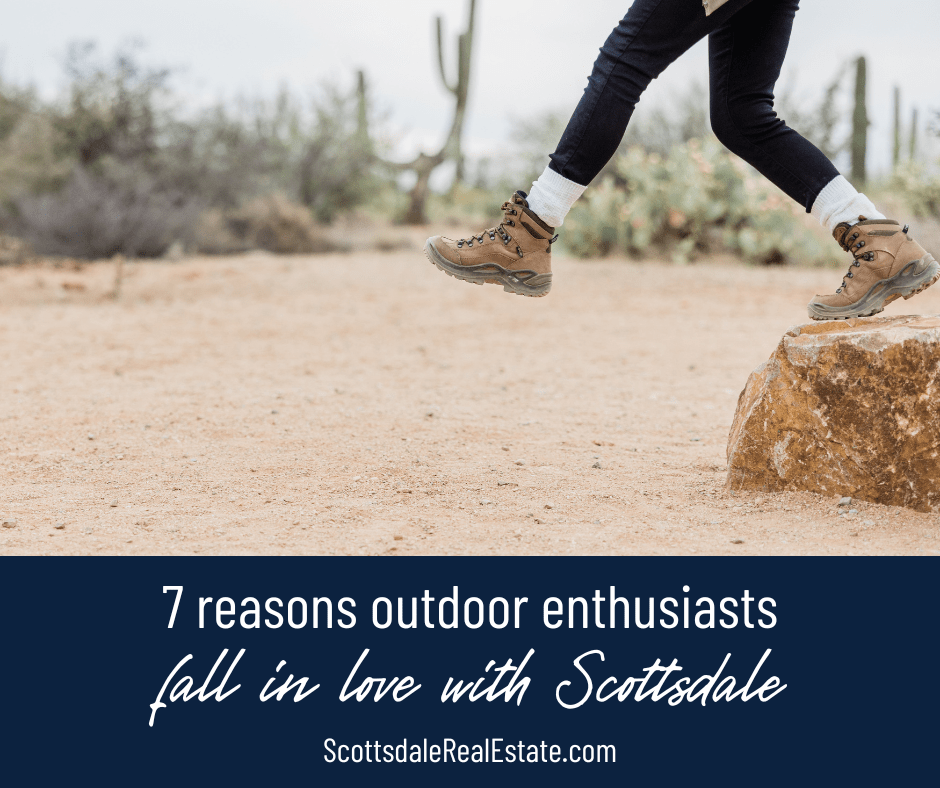
7 Reasons Outdoor Enthusiasts Love Scottsdale
- Don Matheson
- 11/4/24

How to Decide Which Home Offer to Choose
- Don Matheson
- 10/28/24

How to Stage Your Primary Bedroom to Sell
- Don Matheson
- 10/21/24

9 Kitchen Staging Tips From the Pros
- Don Matheson
- 10/14/24

Essential Things to Know Before Moving to Scottsdale
- Don Matheson
- 10/7/24

5 Ways to Make Your Home More Energy Efficient Before You Sell
- Don Matheson
- 09/30/24

Guide to Buying New Construction in Scottsdale
- Don Matheson
- 09/23/24
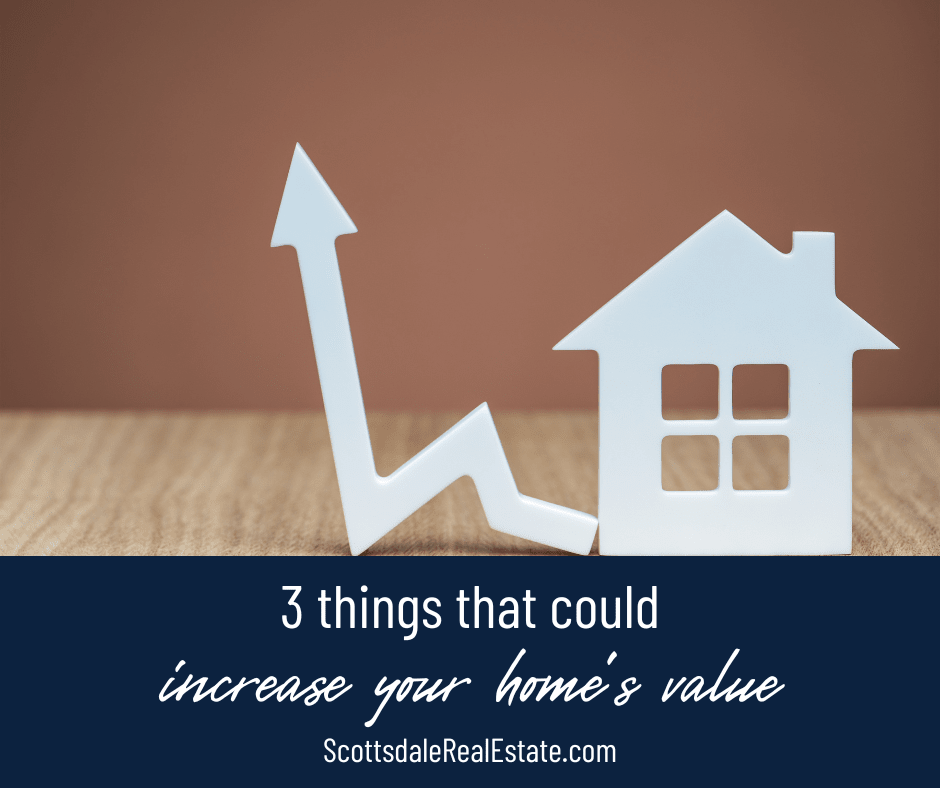
3 Things That Could Increase Your Home's Value
- Don Matheson
- 09/9/24

7 Things Sellers Often Wish They Had Done Before Listing
- Don Matheson
- 09/2/24

5 Things You Can Do Today to Prep Your Home for Sale
- Don Matheson
- 08/26/24

Rightsizing Your Home, Explained
- Don Matheson
- 08/19/24

7 Tips for Downsizing Your Home in Scottsdale
- Don Matheson
- 08/12/24

How to Find the Perfect Investment Property in Scottsdale
- Don Matheson
- 08/5/24

Why Scottsdale is the Perfect Place for Your Vacation Home
- Don Matheson
- 07/29/24
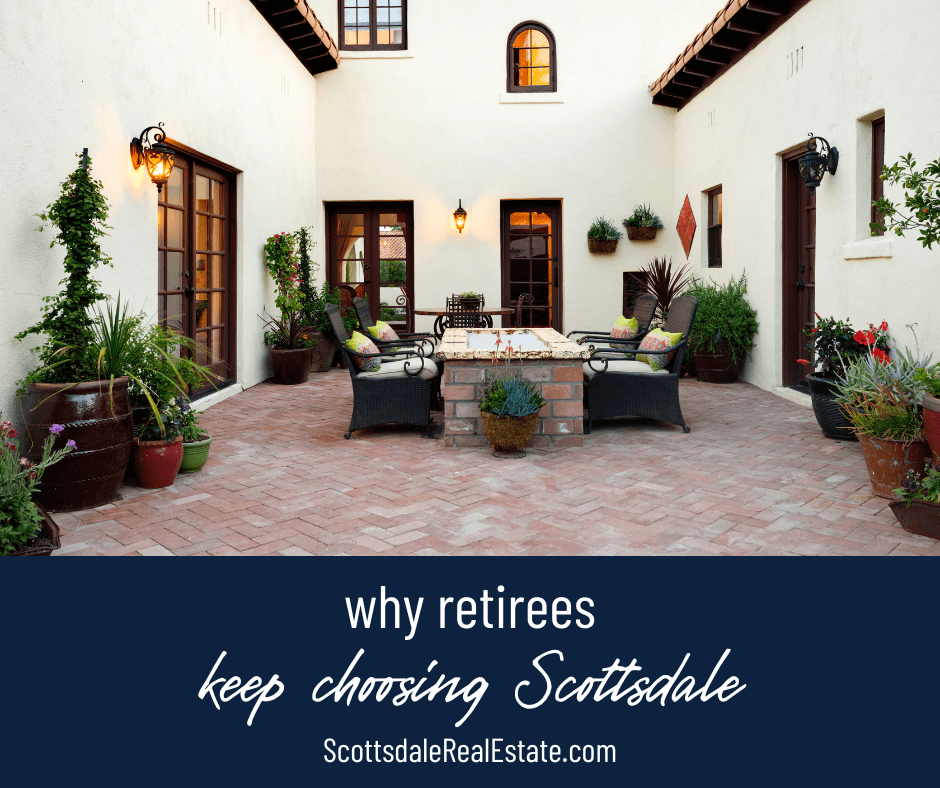
Why Retirees Choose to Live in Scottsdale
- Don Matheson
- 07/15/24

How to Finance Your Second Home in Scottsdale
- Don Matheson
- 07/1/24

Top Golf Communities in Scottsdale for Avid Golfers
- Don Matheson
- 06/24/24

Exploring Scottsdale’s Best Neighborhoods for Luxury Living
- Don Matheson
- 06/17/24

When Does a Home Seller Get Paid?
- Don Matheson
- 06/10/24
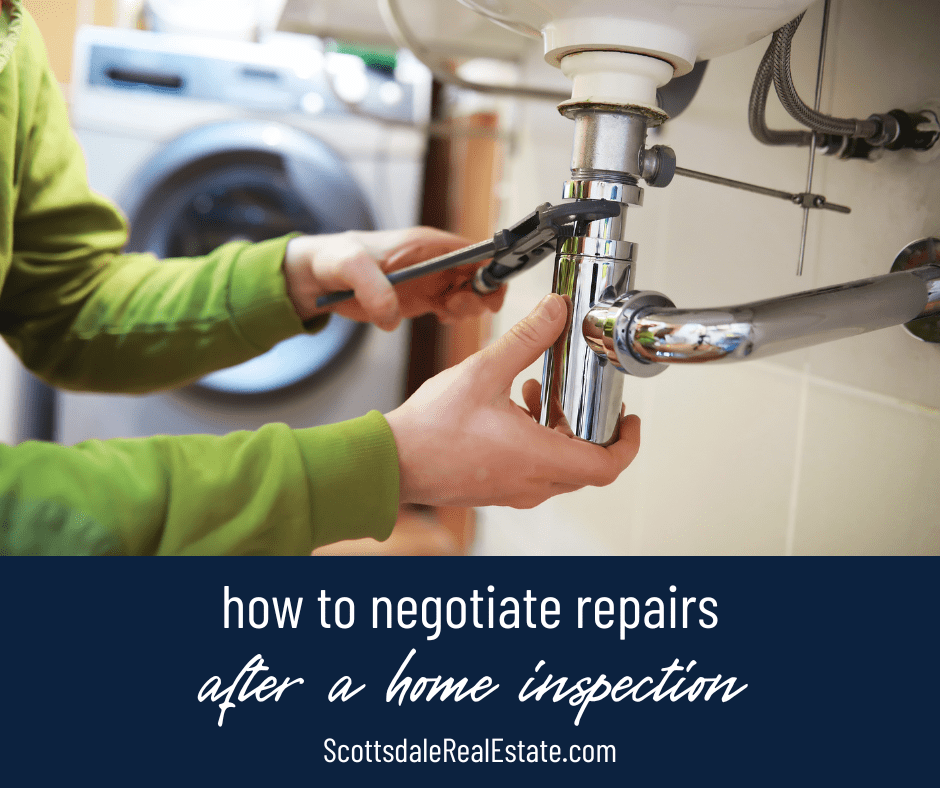
How to Negotiate Repairs After an Inspection
- Don Matheson
- 06/3/24

5 Things That Might Get On Your Nerves When You Buy — and How to Overcome Them
- Don Matheson
- 05/27/24

When Can You Back Out of Buying a Home?
- Don Matheson
- 05/20/24

How Can You Be Sure You're Buying the Right House?
- Don Matheson
- 05/13/24

What Should You Ask Neighbors Before You Buy a Home?
- Don Matheson
- 05/6/24
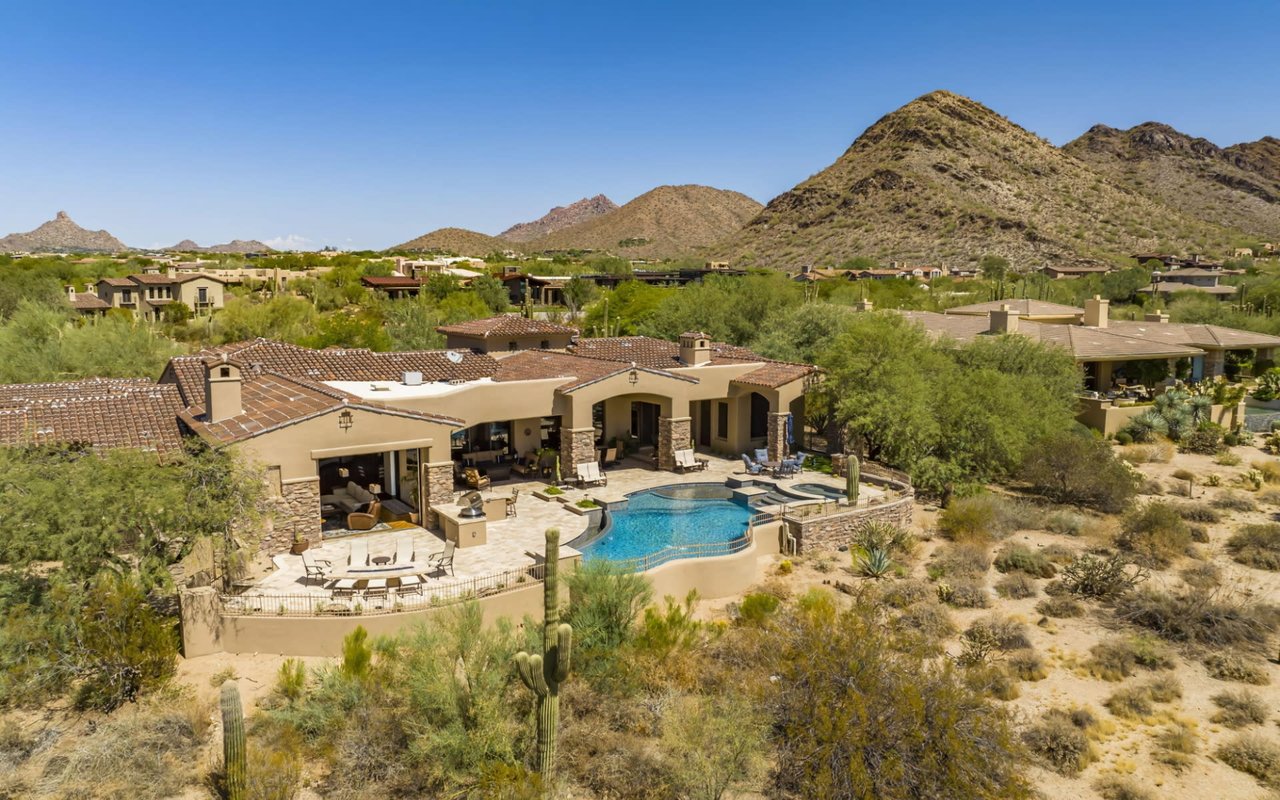
A Guide to Scottsdale's Most Popular Home Design & Styles
- Matheson Real Estate Team
- 04/29/24
Desert luxuries: Exploring the Scottsdale real estate scene.
Read MORE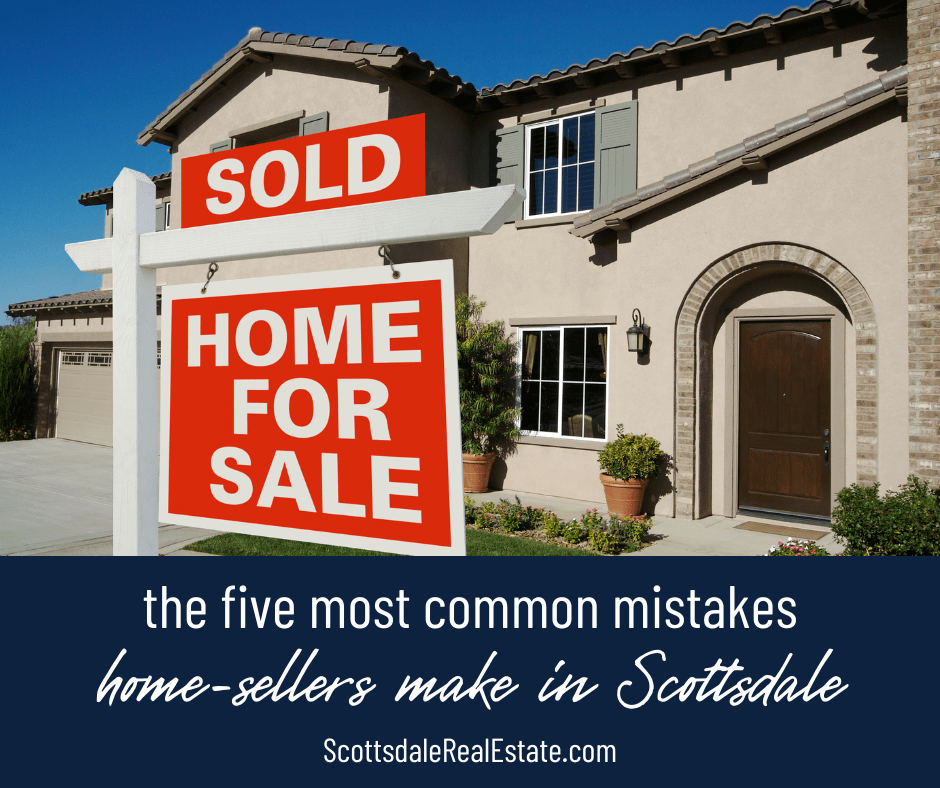
The 5 Most Common Mistakes Sellers Make
- Don Matheson
- 04/29/24
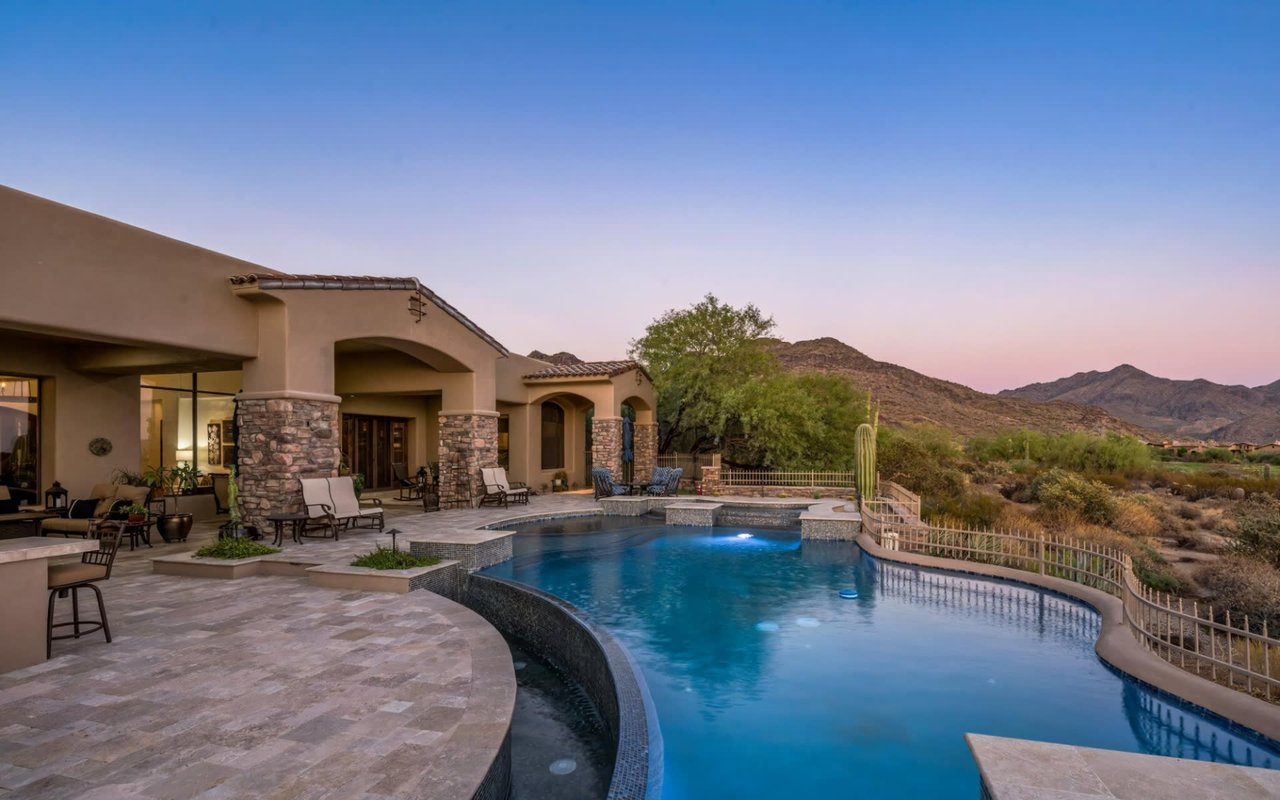
6 Latest Trends in Luxury Real Estate Development in Scottsdale
- Matheson Real Estate Team
- 04/26/24
Desert living redefined: Navigating the trends in Scottsdale's luxury real estate market.
Read MORE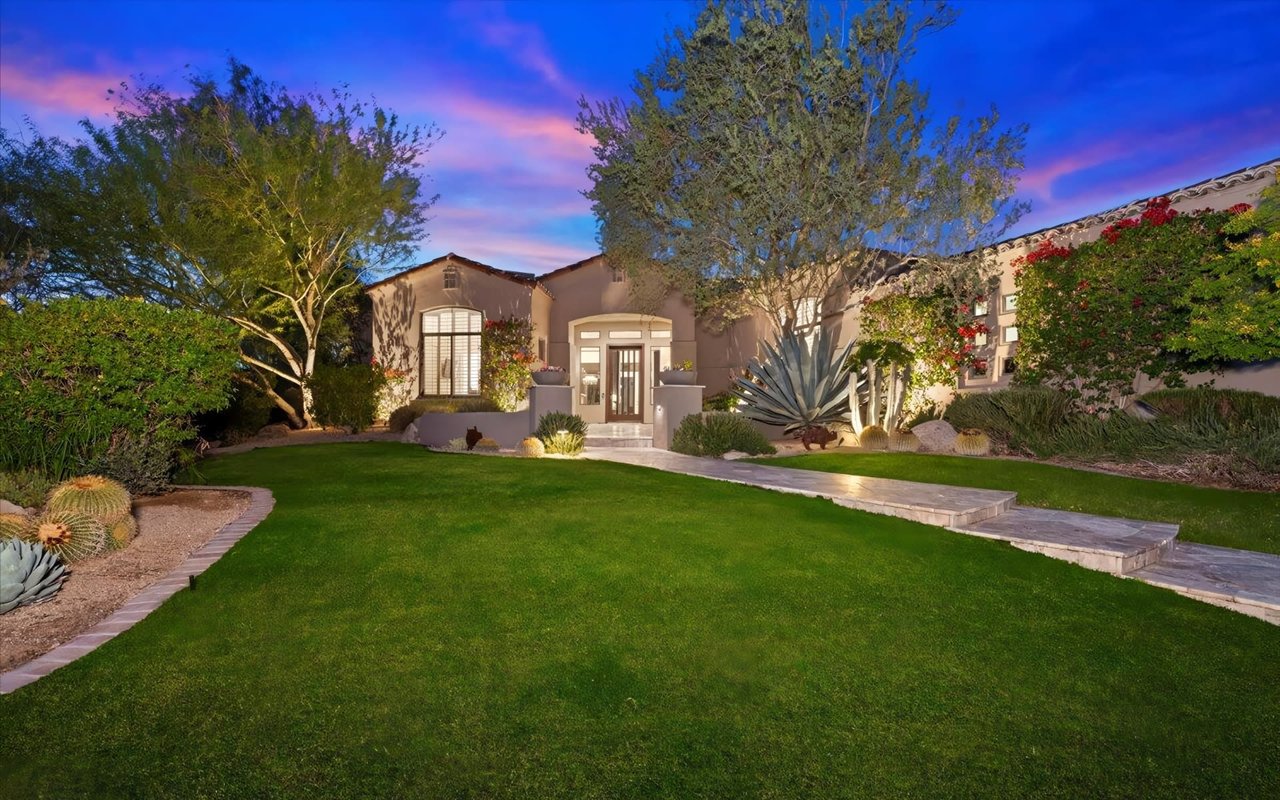
The Future of Ultra-Luxury Real Estate in Scottsdale
- Matheson Real Estate Team
- 04/26/24
Embracing new horizons.
Read MORE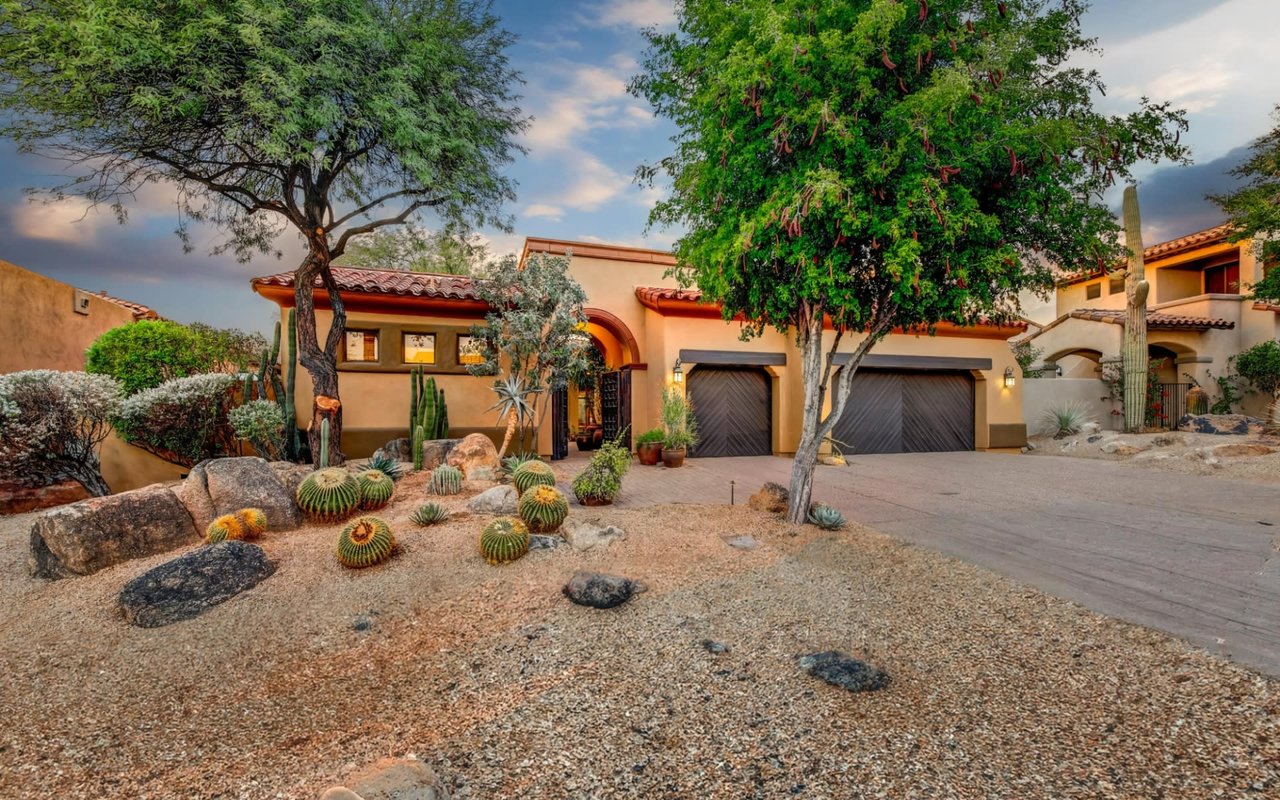
The Scottsdale Ultra-Luxury Market: What You Need to Know
- Matheson Real Estate Team
- 04/26/24
An ultimate guide to finding a beautiful home in Scottsdale.
Read MORE